
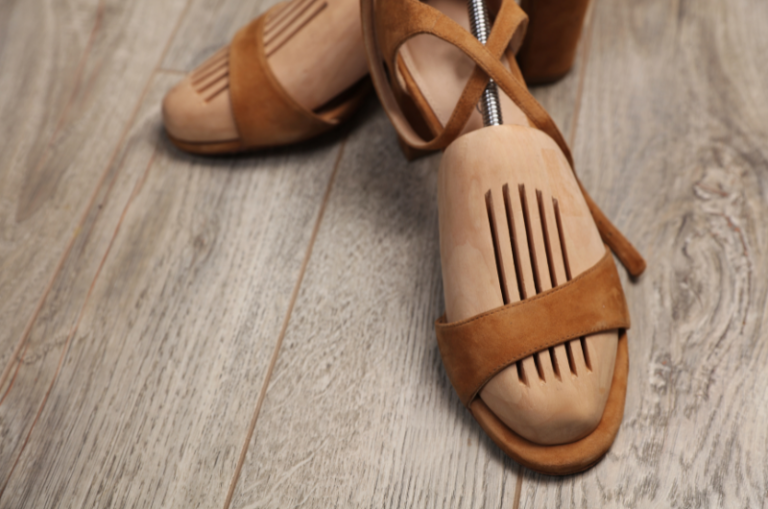
Leather and suede shoes are an investment — in style, comfort, and cost — but they only stay looking sharp with the right care. If you’ve ever ruined a pair of suede boots with the wrong cleaner or watched a leather brogue dry out and crack, you know that suede shoe care is not the same as caring for canvas trainers or synthetic footwear. This guide walks you through exactly how to clean leather and suede shoes at home, when to call in professional help, and how to keep both materials looking new for years.
Whether you’re dealing with muddy suede Chelsea boots, salt-stained leather loafers, or you simply want a reliable suede shoe care routine to build into your weekly habits, this article covers everything from beginner basics to advanced protection techniques.
Key Takeaways
- Suede and leather require completely different cleaning methods — never use water or leather polish on suede.
- Proper suede shoe care starts with dry cleaning tools (brush, eraser) before any liquid product is used.
- Leather shoes need cleaning, conditioning, and polishing to prevent cracking and water damage.
- Protective sprays applied before wear prevent most stains and extend shoe life significantly.
- Professional cleaning is recommended for deep stains, valuable shoes, or when DIY suede shoe care hasn’t worked.
- Regular care (every 2–4 weeks) is far cheaper than replacing shoes damaged by neglect.
Our specialists provide reliable cleaning, repairs, and alterations. contact us and book today.
Understanding Leather and Suede: Why Care Differs
Leather is a smooth, treated animal hide with a sealed surface, which makes it relatively water-resistant and easy to wipe clean. Suede, on the other hand, is made from the underside of the hide, giving it a soft, napped texture that is highly absorbent and easily damaged by water, oil, and direct heat.
This structural difference is the reason suede shoe care requires an entirely separate toolkit and technique from standard leather cleaning. Using a leather cleaner, polish, or even a damp cloth on suede can flatten the nap, create dark water rings, or leave a stain that’s nearly impossible to remove.
Quick comparison:
| Feature | Leather | Suede |
|---|---|---|
| Surface texture | Smooth, sealed | Soft, napped, porous |
| Water resistance | Moderate | Very low |
| Cleaning method | Wipe, condition, polish | Brush, erase, spray-protect |
| Common damage | Cracking, scuffs | Water stains, matting, discolouration |
Essential Suede Shoe Care Tools and Products
Before you start any cleaning session, gather the right tools. Attempting suede shoe care with household items like tissue, baby wipes, or dish soap is one of the most common causes of permanent damage.
Must-Have Suede Shoe Care Kit
- Suede brush (brass or crepe bristles) — lifts dirt and restores the nap
- Suede eraser or rubber block — removes scuffs and light stains
- Suede protector spray (water and stain repellent) — applied before wear
- Suede cleaning solution — specifically formulated, water-free
- Microfibre cloth — for buffing and drying
- Shoe trees — maintain shape during cleaning and drying
For leather shoes, your kit should instead include a leather cleaner, leather conditioner, horsehair brush, polish matched to shoe colour, and a soft buffing cloth.
How to Clean Suede Shoes Step by Step
Effective suede shoe care follows a strict order: dry methods first, liquid products only as a last resort.
Step 1: Let Mud and Dirt Dry Completely
Never brush or wipe wet mud into suede — it smears and sets into the fibres. Let it dry naturally at room temperature, away from direct heat sources like radiators, which can cause the leather backing to crack.
Step 2: Brush in One Direction
Once dry, use a suede brush and work in short strokes, always in the same direction, to lift dirt out of the nap and restore the texture. This single step resolves roughly 80% of everyday suede maintenance issues.
Step 3: Treat Stains with a Suede Eraser
For scuffs or light stains, gently rub a suede eraser or clean pencil eraser over the mark, then brush again to blend the nap back into place.
Removing Dry Dirt and Dust
For general dullness rather than a specific stain, a quick daily brush before and after wear prevents build-up and is the single most effective habit in any suede shoe care routine.
Treating Water and Salt Stains
Water stains are the most common suede complaint, especially in the UK’s wetter months. To fix them:
- Let the shoe dry fully.
- Lightly dampen the entire affected panel (not just the stain) with a suede-safe cloth — this evens out the tide mark as it dries.
- Brush gently once dry to restore texture.
- Apply a suede protector spray to prevent recurrence.
Salt stains from winter pavements should be treated the same way, using a specialist suede and salt-stain remover if the mark is stubborn.
How to Clean Leather Shoes Step by Step
Leather shoe care follows a different rhythm: clean, condition, then protect.
- Remove laces and insoles if possible, and knock out loose dirt with a soft brush.
- Wipe with a damp cloth to remove surface grime, then apply a small amount of leather cleaner in circular motions.
- Condition the leather with a leather conditioner or cream to replace natural oils lost through wear — this prevents cracking, especially around the crease points.
- Polish with a colour-matched polish, buffing with a soft cloth until it reaches the desired shine.
- Protect with a water-resistant leather spray, particularly before autumn and winter.
Leather conditioning should happen roughly every 4–6 weeks for shoes worn regularly, and slightly less often for occasional-wear pairs.
Suede Shoe Care: Common Mistakes to Avoid
Even well-intentioned owners often damage suede through avoidable mistakes:
- Using water directly on stains — this almost always leaves a worse mark than the original stain.
- Applying leather polish or cream — these products seal the surface and permanently flatten the nap.
- Skipping the brushing step — dirt left untreated works its way deeper into the fibres over time.
- Drying shoes near direct heat (radiators, hairdryers) — this dries out the leather backing and causes cracking.
- Ignoring protector spray — unprotected suede is significantly more prone to staining from rain, mud, and oil.
Avoiding these five mistakes alone will resolve the majority of suede shoe care problems before they start.
Preventative Suede Shoe Care: Protecting Shoes Before Wear
The single most impactful step in long-term suede shoe care happens before the shoes ever touch the pavement. Applying a silicone-based or fluoropolymer suede protector spray creates a barrier against water and oil-based stains.
Best practice application:
- Apply two light coats, allowing each to dry fully (usually 30–60 minutes).
- Reapply every 4–6 weeks, or immediately after any deep clean.
- Always test on a small, hidden area first, as sprays can slightly darken very light-coloured suede.
This preventative layer is what separates shoes that last five years from those that need replacing within one wet British winter.
Professional Suede Shoe Care vs DIY
DIY suede shoe care works well for routine maintenance — brushing, light stain removal, and protector spray application. However, professional cleaning becomes the better option in several situations:
- Deep-set oil or grease stains
- Discolouration across large panels
- High-value or designer footwear
- Shoes that have already been damaged by an incorrect DIY attempt
- Suede that has become matted, shiny, or hardened in patches
Professional cleaners use specialist steaming, restoration sprays, and colour-matched re-dyeing techniques that aren’t available or safe to attempt at home. For anyone in Cardiff searching for reliable suede shoe care, a professional dry cleaning service can restore shoes that DIY methods can’t fix.
How Often Should You Clean Suede and Leather Shoes?
| Care task | Suede | Leather |
|---|---|---|
| Brushing | After every wear | Weekly |
| Deep clean | Every 4–6 weeks | Every 4–6 weeks |
| Conditioning | N/A (use protector instead) | Every 4–6 weeks |
| Protector spray | Every 4–6 weeks | Before wet seasons |
| Professional service | Every 3–6 months (heavy use) | Every 6 months |
Cost of Professional Suede Shoe Care
Professional suede shoe care services typically range from £15–£40 per pair depending on the level of staining, the shoe type (boots cost more than loafers), and whether re-dyeing or restoration work is required. While this is an added cost, it’s considerably cheaper than replacing a £150+ pair of suede boots damaged beyond DIY repair.
Benefits of Regular Suede Shoe Care
Investing time (or a modest budget) into consistent suede shoe care pays off in several concrete ways:
- Extended shoe lifespan — well-maintained suede and leather can last 2–3 times longer than neglected pairs.
- Better resale or trade-in value for designer footwear.
- Fewer permanent stains, since early treatment is always easier than late-stage restoration.
- Improved appearance and confidence, particularly for work or formal footwear.
- Lower long-term cost, since prevention is cheaper than replacement or professional restoration.
Frequently Asked Questions
Can you get suede shoes wet?
Suede shoes should never be soaked, but light rain exposure is generally fine if the shoes have been treated with a protector spray. If suede does get wet, let it air dry away from direct heat and brush gently once fully dry.
What household items can I use for suede shoe care?
Genuine suede shoe care should avoid household substitutes like vinegar, dish soap, or baby wipes, as these can strip or discolour the nap. A dedicated suede brush and eraser are the only “household-safe” tools recommended by professionals.
How do you get oil stains out of suede shoes?
Blot (never rub) excess oil immediately, then cover the stain with cornstarch or talcum powder and leave overnight to absorb the oil. Brush away the powder the next day. Persistent oil stains usually require professional suede shoe care.
Is leather or suede easier to maintain?
Leather is generally easier for everyday maintenance since it can be wiped clean and is more water-resistant. Suede requires more careful, specialised suede shoe care but rewards owners with a distinctive texture that many consider worth the extra effort.
How do I know if my suede shoes need professional cleaning?
If brushing and a suede eraser don’t lift a stain, or if the suede has become matted, shiny, or unevenly discoloured, it’s time for professional suede shoe care rather than continued DIY attempts, which can worsen the damage.
Can I use a hairdryer to dry suede shoes faster?
No. Direct heat from hairdryers or radiators dries out the leather backing beneath the suede nap, leading to cracking and shrinkage. Always air dry at room temperature.
Our specialists provide reliable cleaning, repairs, and alterations. contact us and book today.
Conclusion
Good suede shoe care isn’t complicated, but it does require the right approach: dry tools first, the correct specialist products second, and consistent prevention throughout. Leather shoes need a slightly different rhythm of cleaning, conditioning, and polishing to stay crack-free and water-resistant. Together, these habits — brushing after wear, protecting before rain, and treating stains early — will keep both leather and suede footwear looking sharp for years rather than months.
If your shoes need more than a home routine can offer, professional cleaning is a safe, cost-effective way to restore them properly. For expert suede shoe care and leather restoration, Elegance Dry Cleaners offers specialist treatment for stained, matted, or discoloured suede and leather footwear — helping you get more life out of every pair.