
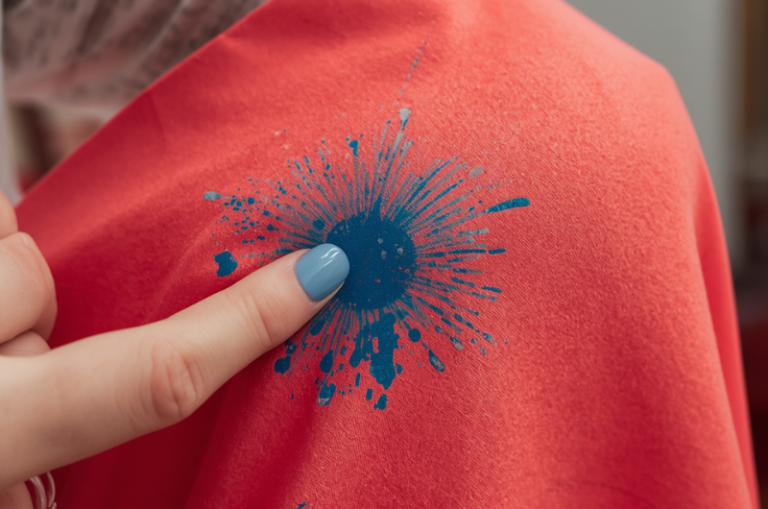
Ink stains are among the most stubborn and exasperating blemishes that can mar otherwise pristine garments. Whether caused by a leaking pen, an accidental brush against fresh ink, or a workplace mishap, these stains often appear indelible at first glance. Yet, with the correct techniques, materials, and timing, it is entirely possible to remove ink stains clothes effectively and restore fabrics to their former condition.
This comprehensive guide explores practical, science-backed methods to tackle ink stains across various fabrics. From household remedies to professional-grade solutions, each technique is designed to help you remove ink stains clothes without causing damage or discolouration.
Our specialists provide reliable cleaning, repairs, and alterations. contact us and book today.
Understanding Ink Stains: Why They Are Difficult to Remove
Before attempting to remove ink stains clothes, it is essential to understand the composition of ink. Most inks are made of pigments or dyes combined with solvents and resins. These components are engineered for permanence, which is precisely why they cling so stubbornly to fabric fibres.
There are several types of ink stains:
- Water-based ink (found in washable markers and fountain pens)
- Oil-based ink (common in ballpoint pens)
- Gel ink (a hybrid, often more viscous and intense)
- Permanent ink (designed to resist fading and washing)
Each type requires a slightly different approach to successfully remove ink stains clothes.
Remove Ink Stains Clothes: Immediate Actions to Take
Speed is critical. The sooner you address the stain, the higher the likelihood of complete removal.
Blot, Don’t Rub
Rubbing spreads the ink and embeds it deeper into fibres. Instead, gently blot with a clean cloth or paper towel.
Place a Barrier Underneath
Position a cloth or paper towel beneath the stained area. This prevents ink from transferring to other parts of the garment.
Test Before Treating
Always test any cleaning solution on an inconspicuous area. Fabric integrity must not be compromised while attempting to remove ink stains clothes.
Household Solutions to Remove Ink Stains
Many effective stain-removal agents are already present in most homes. These solutions are both economical and efficient.
1. Rubbing Alcohol
Rubbing alcohol is one of the most reliable substances to remove ink stains clothes, especially for oil-based inks.
Method:
- Dab a cotton ball with rubbing alcohol.
- Gently press onto the stain.
- Allow the ink to dissolve and transfer onto the cotton.
- Rinse thoroughly and wash as usual.
2. White Vinegar and Baking Soda
This effervescent combination can lift stubborn pigments.
Method:
- Mix one tablespoon of vinegar with a small amount of baking soda to form a paste.
- Apply to the stain and let sit for 15 minutes.
- Rinse with lukewarm water.
3. Milk Soak
An unconventional yet surprisingly effective method.
Method:
- Submerge the stained area in milk overnight.
- Wash normally the next day.
This method works particularly well for water-based inks and delicate fabrics.
Our specialists provide reliable cleaning, repairs, and alterations. contact us and book today.
Remove Ink Stains Clothes From Different Fabrics
Not all fabrics respond identically. Tailoring your approach is essential.
Cotton and Linen
These durable fabrics can withstand more rigorous treatment.
- Use alcohol or commercial stain removers.
- Wash in warm water after treatment.
Silk and Delicates
Handle with utmost care.
- Use mild detergents or specialised silk cleaners.
- Avoid harsh chemicals when attempting to remove ink stains clothes on delicate fibres.
Denim
Denim’s dense weave can trap ink deeply.
- Apply alcohol generously.
- Repeat treatment if necessary before washing.
Advanced Techniques for Stubborn Ink Stains
Some stains resist initial treatment. In such cases, advanced methods are required.
Hairspray (Alcohol-Based)
Traditional hairsprays contain alcohol, which can help dissolve ink.
Method:
- Spray directly onto the stain.
- Blot gently.
- Rinse and wash.
Nail Polish Remover (Acetone)
Effective but should be used cautiously.
- Apply sparingly using a cotton swab.
- Avoid on synthetic fabrics as it may cause damage.
Commercial Stain Removers
Products specifically designed to remove ink stains clothes often contain enzymes and solvents that target ink compounds.
Remove Ink Stains Clothes: Step-by-Step Process
For optimal results, follow this structured approach:
Step 1: Identify the Ink Type
Determine whether the stain is water-based, oil-based, or permanent.
Step 2: Pre-Treat the Stain
Apply the appropriate solution (alcohol, vinegar, etc.).
Step 3: Blot and Lift
Use gentle pressure to lift the ink from fibres.
Step 4: Rinse Thoroughly
Flush out dissolved ink with cold or lukewarm water.
Step 5: Wash Normally
Use a suitable detergent and follow garment care instructions.
Step 6: Inspect Before Drying
Heat can set stains permanently. Ensure the stain is completely gone before drying.
Common Mistakes to Avoid
Even with the best intentions, certain errors can make stains worse.
- Using hot water too soon: Heat sets ink into fibres.
- Rubbing aggressively: Spreads the stain.
- Skipping patch tests: Risks fabric damage.
- Drying prematurely: Locks in residual ink.
Avoiding these pitfalls ensures a higher success rate when attempting to remove ink stains clothes.
Preventative Measures
Prevention is always preferable to cure. Incorporating simple habits can reduce the likelihood of ink stains.
- Store pens properly with caps secured.
- Avoid placing pens in shirt pockets.
- Check garments before washing.
Such precautions minimise the need to repeatedly remove ink stains clothes.
Our specialists provide reliable cleaning, repairs, and alterations. contact us and book today.
Professional Cleaning: When to Seek Help
Some stains, particularly those involving permanent ink or delicate fabrics, may require professional intervention. Dry cleaning services utilise specialised solvents and techniques that are not available for घरेलू use.
Professional cleaners can often succeed where household methods fail, especially when dealing with valuable or sensitive garments.
Eco-Friendly Alternatives
Sustainability-conscious individuals may prefer environmentally benign methods.
- Lemon juice combined with sunlight can help fade stains.
- Cornstarch paste can absorb residual ink.
- Plant-based detergents offer gentler cleaning.
These options provide a greener way to remove ink stains clothes without relying on harsh chemicals.
Frequently Asked Questions
Can old ink stains be removed?
Yes, although more effort is required. Repeated treatments and stronger solvents may be necessary to remove ink stains clothes that have set over time.
Does toothpaste work on ink stains?
Non-gel toothpaste can act as a mild abrasive and help lift stains, though results vary.
Is bleach effective?
Bleach can remove stains but may damage coloured fabrics. Use cautiously and only when appropriate.
Our specialists provide reliable cleaning, repairs, and alterations. contact us and book today.
Final Thoughts
Ink stains may appear formidable, but they are far from irreversible. With prompt action, appropriate techniques, and a methodical approach, it is entirely possible to remove ink stains clothes and preserve the longevity of garments.
From simple household remedies to advanced cleaning solutions, each method offers a pathway to restoring fabric integrity. The key lies in understanding the nature of the stain, selecting the correct treatment, and executing the process with care and precision.
Maintaining garments free from ink stains is not merely about aesthetics; it is an exercise in fabric stewardship. With the insights provided in this guide, tackling even the most obstinate stains becomes a manageable—and often successful—endeavour.
Disclaimer: The information that is provided in this article is general in nature; it does not intend to disregard any of the professional advice.