
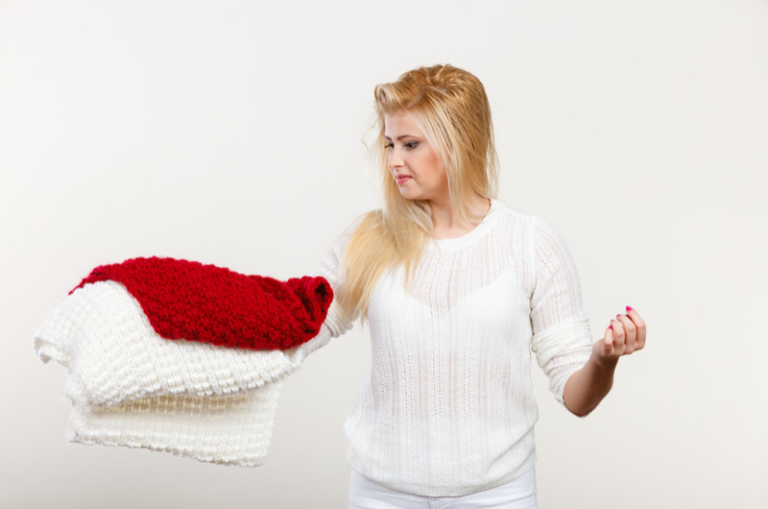
There is a moment every London winter when the wool jumpers come out of the wardrobe, and with them comes the same worry: how do you clean something so soft, so expensive and so easy to ruin? One hot wash and a favourite lambswool crew neck can end up fitting a child. One wet hang on a radiator and a chunky knit stretches into a dress.
The good news is that wool is far tougher than its reputation suggests. Once you understand the fibre, learning how to wash a wool jumper is simple, cheap and takes less effort than most people expect. Many people happily wash wool jumpers at home for years without a single mishap, as long as they follow a few firm rules about water, movement and drying.
At Elegance Dry Cleaners, we have looked after knitwear for Clapham, Battersea, Wandsworth and Fulham households for over 35 years. We see the best-kept jumpers and the sadly shrunken ones, so we know exactly where things go right and wrong. In this guide we share everything: how to read wool care instructions, the safe wool wash temperature, how to hand wash and when a machine is acceptable, how to dry safely, and what to do if disaster strikes.
How to Wash a Wool Jumper: Why Wool Needs Different Care
To wash wool properly, it helps to know what you are washing. Wool is a natural protein fibre, made of keratin, the same material as human hair. Each fibre is covered in microscopic overlapping scales and has a natural crimp, like a tiny spring. That structure is what makes wool warm, breathable, elastic and naturally odour resistant.
It is also why wool misbehaves when treated badly. Heat, agitation and sudden changes in temperature cause the scales to lock together. The fibres tangle, tighten and shrink, and this process, called felting, cannot be undone completely. Alkaline detergents add to the damage, because they strip the natural lanolin and roughen the scales.
Three enemies cause nearly every wool disaster:
- Heat: hot water, tumble dryers and radiators.
- Friction: wringing, twisting, rubbing and a fast washing machine spin.
- Harsh detergent: standard biological powders and strong liquids.
Keep those three under control and your knitwear will outlast almost everything else you own. It also helps to know that wool is a fibre that rarely needs washing, which brings us to one of the most common questions.
Our specialists provide reliable cleaning, repairs, and alterations. contact us and book today.
How Often to Wash Wool
Here is the surprising answer: much less often than you think. Because wool resists bacteria and odour, airing it is often enough. Over-washing is one of the main reasons knitwear gets bobbly, thin and misshapen.
If you are wondering how often to wash wool, use these guidelines as a starting point:
- Outer jumpers worn over a shirt or T-shirt: every 5 to 8 wears.
- Wool worn directly against the skin: every 3 to 4 wears.
- Cashmere and merino: every 5 to 6 wears, or when they smell stale or look dull.
- Wool socks and base layers: after every one or two wears, as they take more sweat.
- Seasonal storage: always clean before putting away for summer.
Between washes, hang the jumper on a padded hanger or lay it flat in a well-ventilated room for a day. Spot clean small marks with a damp cloth and a tiny amount of wool detergent, dabbing rather than rubbing. Remove pilling with a fabric shaver or a wool comb, not with your fingers.
The rule of thumb when deciding how often to wash wool is simple: wash when it is visibly dirty, when it smells, or before storing it. Not before.
Understanding Wool Care Instructions Before You Start
Before you touch water, find the care label, usually stitched into the side seam or at the back of the neck. Reliable wool care instructions are your single best guide, because the right method depends on the yarn, the dye and the construction of the knit.
What the Common Wool Care Symbols Mean
- Hand in a tub: hand wash only, in lukewarm water.
- Tub with a number such as 30: machine washable at that maximum temperature, usually on a wool or delicates cycle.
- Tub with a line underneath: gentle machine cycle with reduced spin.
- Tub crossed out: do not wash in water at all.
- Circle with the letter P or F: professional dry cleaning only.
- Crossed-out tumble dryer: never tumble dry.
- Flat horizontal square: dry flat.
If the label has gone missing, or you have inherited a hand-knitted jumper with no instructions, take the cautious route and hand wash in cool water. Consider the fibre too. A blend containing silk, angora or mohair, or a jumper with beading, leather trims or heavy embroidery, is often best left to a professional.
Always test for colourfastness first. Dab a damp white cloth on a hidden spot such as the inside hem. If dye transfers, do not wash the jumper at home. Bring it to us at our Clapham shop and we will advise.
Wash Wool Jumper at Home: What You Will Need
You do not need special equipment to wash wool jumper at home. A short kit is enough:
- A clean basin, sink or bath, free from bleach or detergent residue.
- A wool-specific detergent, or a very mild, pH-neutral baby shampoo.
- Two or three clean, thick, colourfast towels.
- A mesh wash bag if you are using a machine.
- A flat drying rack, or a clean surface away from direct heat.
Avoid biological powders and anything with enzymes, bleach or optical brighteners. Enzymes are designed to break down proteins, and wool is a protein, so they literally digest the fibres. Fabric softener is also best avoided, since it coats the yarn and reduces breathability.
Wool Wash Temperature: What Is Safe?
The right wool wash temperature is cool to lukewarm, around 20 to 30 degrees Celsius. Water should feel barely warm on the inside of your wrist, never hot. Most manufacturer labels set a 30 degree maximum, and that is a sensible ceiling for nearly all knitwear.
Just as important as the wool wash temperature is consistency. Wool reacts badly to sudden shocks, so use the same temperature for washing and rinsing. Hot wash followed by cold rinse is a recipe for shrinkage.
How to Wash a Wool Jumper by Hand
Hand washing is the gentlest, safest approach, and the one we recommend whenever you are unsure. It is also the best way to hand wash wool sweater styles that are hand knitted, chunky, loosely woven or very expensive. Here is the step-by-step method.
Step 1: Prepare the Jumper
Empty the pockets, close any zips and buttons, and turn the jumper inside out to protect the outer surface from friction. Check for loose threads or small holes now, because water will make them worse.
Step 2: Fill the Basin
Fill a clean basin with lukewarm water, remembering the wool wash temperature of around 30 degrees at most. Add a small amount of wool detergent, following the bottle’s instructions, and swish until dissolved. In much of London the water is notably hard, thanks to the chalk beneath the city, which reduces how well detergent lathers. A touch more wool-safe detergent, or a final rinse with a splash of white vinegar, can help.
Step 3: Soak and Squeeze
Submerge the jumper and press it gently under the water until fully wet. Leave it to soak for 10 to 15 minutes. Then gently squeeze the water through the knit with open hands. Do not rub, scrub, twist or stretch. Think of it as massaging, not washing.
Step 4: Rinse Thoroughly
Drain the basin and refill it with clean water at the same temperature. Gently press the jumper to push out the soap, and repeat until the water runs clear. Leftover detergent leaves wool stiff and attracts dirt.
Step 5: Remove the Water Without Wringing
Lift the jumper out in both hands, supporting its full weight, because wet wool is extremely heavy and will stretch under its own mass. Press it against the side of the basin to release excess water. Never wring.
That is the whole process. Once you have done it twice, the question of how to wash a wool jumper by hand stops being intimidating, and you will probably find it takes about 20 minutes of actual effort.
Can You Machine Wash Wool?
This is one of the most searched questions about knitwear, and the honest answer is: sometimes. Modern machines have excellent wool programmes, and a lot of wool is now treated to be superwash, meaning its scales are smoothed or coated to resist felting.
So, can you machine wash wool? Yes, but only if all of these conditions are met:
- The care label shows a machine wash symbol, or says superwash or machine washable.
- Your machine has a dedicated wool or hand wash cycle.
- The jumper is not hand knitted, loosely woven or heavily embellished.
- You can keep the temperature at 30 degrees or lower.
If you decide to machine wash, protect the garment:
- Place the jumper inside a mesh wash bag, ideally with one or two other light items to avoid an unbalanced load.
- Use a wool detergent in the correct drawer, never a standard powder.
- Select the wool or delicates programme at 30 degrees or below.
- Set the spin to the lowest setting, 400 to 800 rpm at most, or skip it altogether.
- Remove the jumper immediately once the cycle ends, as it is the heavy wet weight that causes distortion.
When it comes to the question can you machine wash wool in a typical small London flat machine, remember that many compact, older or budget machines run hotter and spin faster than they claim. If you do not fully trust your machine’s wool setting, hand washing is the better bet.
Never put wool in a tumble dryer. Tumble drying is the fastest way to turn a jumper into a doll’s version of itself.
How to Dry a Wool Jumper Without Stretching It
Washing is only half the battle. Knowing how to dry a wool jumper correctly is what protects its size and shape, because wet wool is fragile and easily distorted.
Follow these steps:
- Lay a clean, thick towel flat. Place the jumper on top, smoothed out.
- Roll it up like a Swiss roll. Press down along the roll to transfer water into the towel. Do not wring.
- Unroll and move the jumper to a dry towel or drying rack. Reshape the body, sleeves, neckline and cuffs by hand, matching the original size.
- Dry flat, away from heat. Place it somewhere with good airflow, out of direct sun.
- Turn it after a few hours. This helps the thick parts dry evenly.
Drying usually takes 24 to 48 hours for a thick knit, which is the part people struggle with in a small flat.
Common Drying Mistakes to Avoid
- Hanging on a line or hanger. The weight of the water stretches the shoulders and the hem.
- Radiators and heaters. Direct heat bakes the fibres and can cause sudden shrinkage.
- Direct sunlight. It fades dyes and makes wool brittle.
- Hair dryers. These create hot spots that damage the knit.
If you live in a damp London flat with limited space, put the drying rack in the room with the best airflow and run a dehumidifier nearby. This beats hot radiators by a mile. Slow, steady and cool is always the answer when you are working out how to dry a wool jumper in winter.
Wool Jumper Shrunk Fix: How to Rescue a Shrunken Knit
It happens to everyone. A jumper goes through at 40 degrees, and comes out two sizes smaller. Do not bin it yet. A mild shrink can often be reversed, and while a perfect wool jumper shrunk fix is never guaranteed, this method works surprisingly well on lightly felted wool.
- Fill a basin with lukewarm water and add a generous tablespoon of hair conditioner or baby shampoo. These products relax the wool fibres.
- Soak the jumper for 20 to 30 minutes. The fibres will soften as they absorb the conditioner.
- Gently squeeze out the water, without wringing, and lift the jumper out supported in both hands.
- Roll it in a towel to remove excess water, as described above.
- Lay it flat on a dry towel and gently stretch it back towards its original dimensions. Work slowly, in small sections, from the hem and cuffs upwards.
- Pin or shape it in place with the help of a template, such as another jumper of the right size, then leave it to dry flat.
- Repeat if it is still too small. It may take two or three attempts.
The key to any wool jumper shrunk fix is patience. Pulling too hard or too fast will cause holes and uneven shapes. Be aware that heavily felted jumpers, where the fibres have matted into a dense, stiff fabric, cannot be fully restored. In that case, our in-house tailor can sometimes help with adjustments. Take a look at our clothing alterations and repairs service for what is possible.
Wool Care Instructions for the Whole Season
Good habits between washes matter just as much as the wash itself. These general wool care instructions will keep knitwear in great condition from the first cold morning to the last warm spring day.
- Fold, never hang. Hanging stretches shoulders. Fold jumpers and keep them on shelves or in drawers.
- Rotate your knitwear. Giving wool a rest of a day or two lets the fibres bounce back.
- De-bobble gently. Use a fabric shaver or a wool comb, working lightly in one direction.
- Treat stains quickly. Blot, never rub, and avoid hot water.
- Store with care. Clean items before storage, because moths love sweat, skin cells and food stains. Use cedar blocks or lavender sachets and a breathable cotton bag, not plastic.
- Check for moths regularly. Look out for tiny holes, loose threads and webbing, particularly in older London flats and Victorian terraces with carpets and wardrobes.
If moths have already left holes, do not wait. Small holes spread with each wash, and we can often repair them neatly before they grow. Visit our repairs and alterations page to find out more.
Washing Wool in London: Local Tips
Caring for wool in the capital has its own quirks.
Hard water. London has some of the hardest tap water in the country. It can leave wool feeling stiff and dull. A final rinse with a little white vinegar, or using a good wool detergent in slightly larger measure, keeps things soft.
Small flats and limited drying space. Many Londoners in Clapham, Battersea and Tooting cannot easily spread a jumper out for two days. A foldable flat drying rack that sits over a bath, or a mesh drying shelf, is a great investment.
Damp, cool winters. Slow drying in damp weather can lead to musty smells. Use a dehumidifier and keep the airflow constant, but never switch to direct heat.
Commuter life. Tube carriages, central heating and sudden temperature changes make wool sweat more than you might think. Giving your jumper a day to air before wearing it again helps a lot.
Cupboard space and moths. Clean before storing, every time. This is the single biggest protection against moth damage.
When to Take Your Wool Jumper to a Professional
Home washing is perfectly fine for many jumpers, but there are times when professional care is the smarter choice. Consider bringing your knitwear to a dry cleaner when:
- The label says dry clean only.
- The jumper is cashmere, angora, mohair or a delicate blend.
- It has beading, sequins, leather trims or heavy embroidery.
- It is hand knitted or antique, or holds sentimental value.
- There are stubborn stains such as oil, red wine or ink.
- The jumper is part of a suit or co-ordinated set, such as a wool cardigan and skirt.
- You are packing away your winter wardrobe for the summer.
At Elegance Dry Cleaners, we inspect every garment on arrival and clean it according to its fabric and care label. We use eco-friendly biodegradable solvents and professional-grade finishing, and we regularly clean wool, cashmere, silk and tailored garments. Our dry cleaning and laundry services include pre-treatment of stains before every clean, and most items can be cleaned the same day. Drop off before 10am and collect by 5pm, Monday to Saturday, at no extra charge.
Can’t get to the shop? We offer free collection and delivery across Clapham, Wandsworth, Battersea and Fulham. You can see exactly where we operate on our areas we cover page, including Battersea, Fulham, Wandsworth and Tooting BEC. Prefer to know the cost first? Get a quote before any work begins, with no hidden charges.
Beyond Jumpers: Caring for Other Wool Items in Your Home
The same principles apply to wool around the house. Wool rugs, curtains, throws and upholstery all benefit from cool temperatures, gentle handling and slow drying, but they are far too bulky and delicate for most home methods. If you have wool furnishings that need freshening, our team can help with carpet cleaning, rug cleaning, curtain cleaning and upholstery cleaning. And if a wool suit or coat needs adjusting after cleaning, our suit alterations service is available under the same roof.
Frequently Asked Questions
Can I wash a wool jumper in cold water?
Yes. Cold or cool water around 20 degrees is perfectly safe, and in fact it is the gentlest choice. It just may not lift heavier grease as well, so use a little more detergent and a longer soak.
Is the wool wash temperature the same for merino and lambswool?
Yes. For merino, lambswool, Shetland and most knitwear, keep the wool wash temperature at or below 30 degrees. Cashmere is even more delicate, so we suggest cool water and extra care when handling it wet.
Can you machine wash wool if it says hand wash only?
We would advise against it. If the label says hand wash only, follow it. Even a gentle machine cycle involves more friction than the garment has been designed to take.
What if my wool jumper has already shrunk badly?
Try the conditioner method above. If the fibres are heavily felted and the knit feels stiff, a full recovery is unlikely, but a professional can sometimes advise on alternative options.
Do I need fabric softener on wool?
No. A good wool wash and a thorough rinse will leave the jumper soft. Softener coats the fibres and can leave residue.
Can I use a dry cleaner instead of washing at home?
Yes, and for delicate or valuable pieces, we recommend it. Professional cleaning avoids the risk of shrinking, stretching or colour loss.
Final Thoughts
Knowing how to wash a wool jumper properly saves you money, keeps your favourite pieces looking sharp, and means you never have to say goodbye to a beloved knit too soon. Remember the essentials: read the label, wash only when needed, stay at or below 30 degrees, use a wool-safe detergent, avoid wringing, and always dry flat, away from heat.
When you would rather leave it to the experts, whether it is cashmere, a stubborn stain or a precious hand-knit, we are here to help. Visit us at 180 Northcote Road, London SW11 6RE, call us on 020 7738 2266, or contact us online. Elegance Dry Cleaners will make sure your knitwear comes back clean, fresh and the size it should be.