
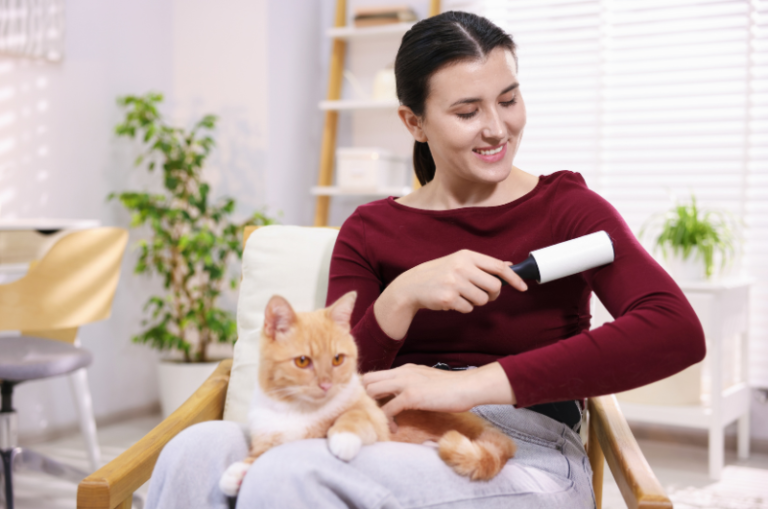
Anyone who shares a London flat or terraced house with a dog or cat knows the daily routine. You put on a freshly pressed black jacket, step out towards the Tube, and catch your reflection in a shop window. Your sleeve is covered in fur. It happens to the best-dressed pet owners in Clapham, Battersea and Wandsworth, and it is usually the first sign that your wardrobe and your living room have become a shared space with your four-legged flatmate.
The good news is that pet hair and pet smells are not permanent problems. With the right tools, the right order of steps and a little patience, you can keep your clothes and furniture looking fresh. In this guide, we explain how to remove pet hair from clothes and soft furnishings, and how to deal with the lingering smell that often comes with it. We also cover when it makes sense to hand the job to professionals.
At Elegance Dry Cleaners, we have spent more than 35 years caring for garments and home textiles across South London. We have seen every kind of fur, from golden retriever fluff on wool coats to Persian cat hair woven into velvet cushions. What follows is the practical advice we give our own customers.
Why Pet Hair Clings to Clothes (and Why London Homes Make It Worse)
Before you can beat pet hair, it helps to know why it sticks. Fur is lightweight, fine and often slightly barbed at a microscopic level, which means it hooks into the fibres of knitwear, wool and fleece. It is also drawn to fabric by static electricity, so the drier the air, the worse the problem.
London homes add a few extra challenges:
- Central heating. From October to March, warm, dry indoor air increases static, so fur flies onto your clothes and clings tightly.
- Small spaces. In a one-bedroom flat in Battersea or Fulham, your pet’s favourite spot is probably next to your wardrobe, your sofa and your bed. There is nowhere for the fur to go except onto everything.
- Shedding seasons. Most dogs and cats shed heavily in spring and autumn as their coats change, and indoor pets can shed all year round.
- Hard water. London’s hard water can leave fabrics slightly stiff after washing, which can make hair cling to them a little more.
Some fabrics attract more hair than others. Wool, fleece, velvet, corduroy and dark cotton hold on to fur most stubbornly. Smooth fabrics such as silk, satin and tightly woven polyester let go much more easily. Knowing this helps you choose the right removal method for each garment.
Our specialists provide reliable cleaning, repairs, and alterations. contact us and book today.
How to Remove Pet Hair from Clothes: The Quick Methods
When you are rushing out of the door, you need speed. These are the fastest techniques, and most of them use things you already have at home.
Use a Lint Roller or Sticky Tape
This is the classic fix, and it works. Roll firmly in one direction, peel off the used sheet and repeat. If you run out of lint roller sheets, wrap wide parcel tape around your hand with the sticky side out and pat the fabric. Keep a roller by the front door and another in your work bag.
This method works best on smooth, flat fabrics such as cotton shirts, trousers and suit jackets. It is less effective on chunky knitwear, because the fur sits deep in the fibres.
Try a Damp Rubber Glove
This is one of the most effective tricks for anyone wondering how to remove pet hair from clothes without buying anything new. Put on a clean rubber washing-up glove and dampen it slightly under the tap. Drag your hand across the fabric in short, firm strokes. The rubber creates friction and static, and the fur rolls into clumps that you can simply pick off and bin.
Use a Squeegee or Window Cleaner Blade
A rubber-edged squeegee works on the same principle. Pull it across the fabric in one direction and the hair gathers into a tidy line. This suits larger items such as coats, blankets and heavy knitwear.
Brush with a Fabric or Clothes Brush
A good-quality clothes brush with soft bristles lifts hair from wool coats and tailored jackets without damaging the fibres. Brush gently in the direction of the weave, and finish with a lint roller for stray strands. If you own a camel coat or a wool overcoat, this is the gentlest option.
Use a Fabric Shaver for Pilled Knitwear
If hair has become tangled in the surface of a jumper, a fabric shaver can remove both the fur and any bobbles. Use it lightly and never on delicate fabrics such as cashmere or fine merino, where it can thin the fabric.
How to Remove Pet Hair from Clothes in the Washing Machine and Dryer
For heavier build-ups, the washing machine and tumble dryer can do most of the work. The order of steps matters, though, because washing alone can sometimes bond hair into the fabric.
Step 1: Shake and Tumble Before You Wash
Never put a fur-covered garment straight into the drum. Shake the item outdoors, on a balcony or over a bin, to remove loose hair. Then put it in the tumble dryer on a no-heat or low-heat air cycle for about ten minutes. The tumbling action loosens the fur and carries it to the lint filter, which you can empty before the real wash.
Tossing a couple of wool dryer balls or a clean, damp cloth into the drum increases the effect. The damp cloth attracts hair as the load tumbles.
Step 2: Wash on the Right Cycle
Wash the garment according to its care label. Adding half a cup of white vinegar to the rinse cycle can help relax the fibres and reduce static, which lets the remaining hair release. Avoid overloading the drum, because clothes need room to move for the hair to come loose.
If the label says dry clean only, skip the machine entirely. Water can shrink wool, damage silk and distort tailoring. In that case, the best approach is to brush the garment and then bring it to a professional cleaner. Our dry cleaning service in Clapham handles wool, silk, cashmere and structured garments with solvent-based methods that avoid these risks.
Step 3: Dry and Check
Take the clothes out of the machine promptly and inspect them. Run a lint roller over any remaining hair before ironing or wearing, because heat can press strands into the fabric.
Step 4: Clean Your Machine
Pet hair builds up in washing machine filters and drain pumps, which can cause blockages and bad smells. Clear the filter every few weeks if you wash pet bedding or fur-covered clothing regularly, and wipe out the drum and door seal. This is especially useful in London flats where machines are often compact and drainage is shared.
How to Remove Pet Hair from Clothes Without Damaging Delicate Fabrics
Delicate items need a gentler approach, and the wrong technique can cause permanent damage. Here is how to treat the fabrics that worry people most.
- Wool and cashmere: Use a soft clothes brush or a slightly damp sponge, working with the grain of the fabric. Avoid sticky rollers on loosely knitted wool, as they can pull fibres out.
- Silk and satin: Hold the garment flat and pat it gently with a lint roller on its lowest-tack setting. Do not rub hard, because silk marks easily.
- Velvet: Brush lightly in the direction of the pile with a soft brush, then smooth with a barely damp microfibre cloth.
- Tailored suits and coats: Brush after every wear, and book regular professional cleaning. Our team can also check and repair linings, seams and buttons through our alterations and repairs service.
- Wedding and occasion wear: Do not experiment at home. Take it to a specialist who can treat delicate beading, lace and silk safely.
If you ever feel unsure, take the garment to a cleaner before you try something risky. A quick consultation is far cheaper than replacing a favourite item.
Pet Odour Removal Clothes Guide: Why Pets Leave Smells Behind
Hair is only half the story. Even if your jumper looks clean, it may still carry a distinctly “doggy” or “catty” smell that you only notice when a friend sits next to you on the Northern line.
Pet odours come from several sources:
- Natural skin oils. Dogs especially produce oils that transfer to clothes, bedding and sofas.
- Damp fur. After a walk on Clapham Common or Wandsworth Common in the rain, a wet dog can leave a musty smell on everything it touches.
- Saliva and dribble. These can dry into fabric and develop an unpleasant sour odour over time.
- Accidents. Urine, vomit or marking behaviour leave strong smells that normal washing may not fully remove.
- Litter and outdoor dirt. Cat litter dust and muddy paws carry bacteria and odours onto clothes.
When it comes to pet odour removal clothes need more than a quick spray of freshener. Perfumed sprays only mask the smell, and the underlying bacteria are still there. To remove it properly, you have to break down the source.
How to Get Dog Smell Out of Clothes
If your wardrobe has started to smell like your Labrador, try this simple routine. It works for most washable fabrics.
- Remove loose hair first. Shake the garment and use one of the methods above, so fur does not clog the machine.
- Pre-soak. Fill a basin with cool water and add a cup of white vinegar. Soak the clothes for 30 minutes. Vinegar helps neutralise odour-causing bacteria. Always patch test on a hidden area first, and avoid it on silk and delicate fabrics.
- Wash with a good detergent. Use your normal cycle, but choose a detergent designed for odour removal. A biological detergent works well on non-delicate fabrics at the temperature the label recommends.
- Add baking soda. Sprinkle half a cup of bicarbonate of soda into the drum with the clothes. It absorbs smells as the cycle runs.
- Dry thoroughly. Dry clothes outside if you can, because fresh air and daylight reduce odour. If you are drying indoors during a damp London winter, use a well-ventilated room or a dehumidifier so clothes do not develop a musty smell.
To get dog smell out of clothes that cannot go in the machine, such as wool coats or structured jackets, you have two options. You can hang them outside on a dry day and lightly mist them with a mix of water and a little white vinegar. Or you can take them to a professional cleaner. Dry cleaning solvents lift body oils and odours from fabrics that cannot tolerate water, and the garment is returned pressed and fresh.
Tackling Stubborn Pet Odours, Including Cat Urine
Cat urine is the hardest smell to shift, because it contains compounds that can reactivate when they get damp. For clothes and bedding affected by accidents, follow these steps:
- Blot (never rub) any wet area with kitchen roll.
- Rinse the fabric with cool water. Hot water can set the smell.
- Use an enzymatic cleaner designed for pet accidents. Enzymes break down the odour source rather than covering it. Follow the product instructions and test on a hidden area first.
- Wash as normal, then smell the item before you tumble dry. Heat can lock in any remaining odour, so if the smell persists, repeat the treatment first.
If an item still smells after two attempts, it is time to call in help. Professional cleaning can often succeed where home treatments fail, though very old or deeply set stains and smells may not be fully removable. A reputable cleaner will tell you honestly what to expect before they start.
Pet Hair from Sofa: A Step-by-Step Cleaning Routine
Your sofa is probably where your pet spends most of its time, which makes it the biggest hair trap in your home. Removing pet hair from sofa cushions and arms needs a slightly different approach from clothes, because upholstery fabric is thicker and the hair embeds deeper.
Step 1: Vacuum with the Right Attachment
Start with a vacuum fitted with an upholstery tool or a pet hair attachment. Work in slow, overlapping strokes, and do not forget the crevices, the seams and underneath the cushions. If you have removable cushions, take them off and vacuum both sides.
Step 2: Use a Damp Rubber Glove or Squeegee
After vacuuming, pull a slightly damp rubber glove across the surface in one direction. The remaining fur gathers into clumps. This works well on fabric, velvet and microfibre sofas.
Step 3: Finish with a Lint Roller
Use a large lint roller or a roll of sticky tape for the final pass. Pay attention to the arms and the back cushions, where hair collects most.
Step 4: Deal with Smell
Sprinkle bicarbonate of soda over the sofa and leave it for several hours, or overnight if your pet can be kept off. Then vacuum it up. This lifts light odours from the fabric without wetting it.
Fabric Matters
Check the cleaning code on your sofa before using any liquid. Codes such as “W” (water-based cleaners are fine), “S” (solvent only) and “X” (vacuum only) tell you what is safe. Using the wrong method can leave watermarks or damage the fabric.
How to Remove Cat Hair from Furniture (Beyond the Sofa)
Cats climb everywhere, so their hair ends up on armchairs, cushions, curtains, rugs and even bookshelves. If you want to remove cat hair from furniture throughout your home, these methods work best.
- Microfibre cloth: Lightly dampen it and wipe wooden, leather or faux leather furniture. The hair sticks to the cloth rather than spreading around.
- Dryer sheet: Rub a clean dryer sheet over fabric surfaces. It reduces static and lifts hair, but test it on a hidden spot first.
- Pet hair brush or rubber broom: Rubber-bristled brushes pull fur from fabric and carpets, which makes them ideal for armchairs and rugs.
- Lint roller on cushions and throws: Keep a roller in the living room, so you can do a quick tidy before guests arrive.
- Washable covers: Use throws or covers on your pet’s favourite spots, and put them in the wash every week. This is one of the simplest ways to reduce how often you need to deep clean.
Remember that cat hair settles in curtains and rugs too. Vacuum them regularly using a soft brush attachment, and shake out smaller rugs on a balcony or in the garden.
Rugs, Carpets, Curtains and Upholstery: When Home Cleaning Is Not Enough
Even with excellent habits, pet hair, dander and odours build up deep inside soft furnishings. You may notice that your sofa still smells after cleaning, your rug looks flat and dull, or your curtains have a faint pet smell when the heating comes on. That is when professional cleaning makes the biggest difference.
Elegance Dry Cleaners offers a full range of home textile services for pet owners across South London:
- Upholstery cleaning for sofas, armchairs and dining chairs, lifting embedded hair, dander and odours.
- Carpet cleaning to refresh high-traffic areas where pets sleep, play and shed.
- Rug cleaning for wool, silk and delicate rugs that cannot go in a home machine.
- Curtain cleaning to remove hair, dust and smell that settles into heavy fabrics.
- Our wider home furnishing service for cushions, duvet covers, throws and more.
We also offer free collection and delivery across Clapham, Wandsworth, Battersea and Fulham, which saves you the effort of carrying a bulky rug or curtains on the bus. You can get a quote online or contact our team to discuss your items before booking.
When to Take Your Clothes to a Professional Dry Cleaner
Some garments should never be experimented on at home. Consider professional care when:
- The label says “dry clean only”.
- The item is made from wool, silk, cashmere or other delicate fibres.
- The garment is tailored, such as a suit, blazer or structured coat.
- Odour remains after two home attempts.
- The item is expensive, sentimental or difficult to replace.
- You need a garment ready quickly for an event or interview.
At our Northcote Road shop, we inspect each garment at drop-off, pre-treat marks by hand and use eco-friendly, biodegradable solvents in closed-loop machines. Same-day service is available for most items dropped off before 10 am, with no rush surcharge. Heavier items such as curtains and gowns may need a little longer, and we will tell you at drop-off.
If you live or work nearby, you can also find us through our local pages for Battersea, Wandsworth and Fulham.
How to Prevent Pet Hair and Odour Building Up Again
Cleaning is much easier when you stop the problem at the source. These habits make a real difference:
- Groom your pet regularly. Brushing your dog or cat several times a week removes loose fur before it reaches your clothes. Short-haired cats and dogs benefit from a rubber grooming mitt, while long-haired pets need a slicker brush or deshedding tool.
- Wash pet bedding weekly. Bedding holds oils, dander and bacteria. Washing it often stops smells from spreading to the rest of your home.
- Give pets their own spot. A washable blanket on the sofa or a dedicated bed near the window gives them somewhere comfortable that is easy to clean.
- Keep wardrobes closed. Use garment bags for coats, suits and special occasion pieces so fur cannot settle on them.
- Vacuum often. A vacuum with a HEPA filter traps fine hair and dander, which also helps if anyone in your household has allergies.
- Air your home. Even in winter, opening windows for ten minutes helps clear odours and balance humidity.
- Dry your pet properly after walks. A quick rub with a towel after a rainy walk stops damp-dog smell from spreading.
- Check your pet’s health. A strong or sudden change in smell can point to dental, ear or skin problems, so mention it to your vet.
Frequently Asked Questions
What is the fastest way to remove pet hair from clothes?
A lint roller or a dampened rubber glove is the fastest option. Roll or drag it across the fabric in one direction and the hair gathers immediately. For items you cannot spare time on, a quick ten-minute tumble in the dryer on air-only setting loosens most of the fur.
How can I stop my dog’s smell transferring to my clothes?
Groom and dry your dog regularly, wash their bedding every week and keep your clothes in closed wardrobes or garment bags. If smell has already transferred, use the vinegar and bicarbonate of soda routine above, or take the garment to a dry cleaner if it cannot be washed.
Can dry cleaning remove pet hair and pet smells?
Yes. Professional cleaning removes hair, body oils and many odours, and is the safest option for delicate or tailored items. The result depends on the fabric and how long the smell has been there, and a good cleaner will give you an honest assessment before starting.
Does white vinegar damage clothes?
Diluted white vinegar is safe for most washable cotton and synthetic fabrics, but it can damage silk, some dyes and certain finishes. Always patch test, and avoid using it on delicate garments.
How often should I clean my sofa if I have pets?
Vacuum it at least once a week and do a deeper clean every three to four months. A professional upholstery clean once a year helps remove the hair, dander and smell that regular vacuuming leaves behind.
Is it safe to wash pet-covered clothes with the rest of my laundry?
It is better to wash heavily furred items separately, after shaking and tumbling them. This stops hair spreading to other clothes and protects your machine’s filter and drain.
What is the best method for how to remove pet hair from clothes made of wool?
Use a soft clothes brush in the direction of the weave, then a lightly dampened sponge for any remaining strands. Avoid sticky rollers and fabric shavers on fine wool, and have valuable items professionally cleaned.
Final Thoughts
Living with a pet is one of life’s great pleasures, and a bit of fur and the occasional smell come with the territory. With the right habits, you can keep both under control. To recap, learning how to remove pet hair from clothes starts with simple tools such as a lint roller, a damp rubber glove and a good brush. For tougher jobs, the washing machine, vinegar and bicarbonate of soda can handle most odour problems. Sofas and soft furnishings need regular vacuuming, plus a deeper clean when hair and smell build up.
When it all gets too much, or when the item is too delicate or valuable to risk, Elegance Dry Cleaners is here to help. Whether you need a coat refreshed, a sofa deep cleaned or a rug restored, our experienced team will treat your belongings with care. We serve homes across Clapham, Battersea, Wandsworth, Fulham and beyond, with free collection and delivery in our core areas.
Call us on 020 7738 2266, visit us at 180 Northcote Road, London SW11 6RE, or request a quote online today.