
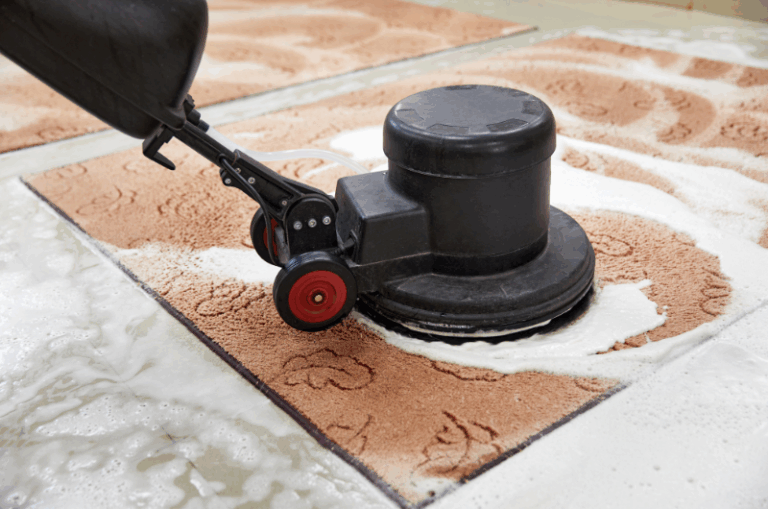
Carpets endure constant foot traffic, accidental spills, airborne pollutants, and gradual fibre deterioration. They silently accumulate dust, allergens, oils, dander, and invisible grime. Over time, this buildup not only discolours the pile but also compromises indoor air quality. Knowing how to clean a carpet thoroughly, safely, and efficiently is an indispensable household skill. This ultimate guide explores every nuance of carpet care, ranging from routine maintenance to deep restorative cleaning techniques. It deciphers carpet fibres, explains detergents scientifically, outlines stain-specific protocols, and offers expert-level strategies for long-term preservation. These principles mirror the high standards upheld by professional cleaners such as Elegance Dry Cleaner, where meticulous fabric care is prioritised through every step of the process.
Our specialists provide reliable cleaning, repairs, and alterations. contact us and book today.
Understanding Carpet Composition
Carpet cleaning begins with understanding what you are working on. Carpets vary substantially in material, construction, pile height, and density. These variations influence which products and methods are safe to use, and which ones may cause harm.
Synthetic fibres
Synthetic carpets most commonly nylon, polyester, polypropylene (olefin), and triexta are highly resilient. They resist staining better than natural fibres and allow for more aggressive cleaning methods. Their molecular structure holds dyes firmly, reducing the risk of discolouration during deep cleaning.
Natural fibres
Natural fibres such as wool, cotton, sisal, and jute demand more delicacy. Wool, for example, is sensitive to alkaline detergents and high heat. Sisal and jute fibres absorb moisture easily, making them susceptible to shrinking, warping, or browning. Cotton is more forgiving but still requires cautious handling.
Pile construction
-
Cut pile: Offers a plush, soft feel but traps soil easily.
-
Loop pile: More durable, often used in high-traffic areas.
-
Cut and loop: Decorative patterns, but trickier to clean thoroughly.
Understanding your carpet’s fibre and construction is essential to applying the correct techniques, avoiding damage, and ensuring long-term durability.
Why Routine Carpet Cleaning Matters
Carpets act like giant filters. They trap microscopic particles that would otherwise circulate through indoor air, contributing to allergies and respiratory irritation. Regular cleaning prevents fibres from matting, eliminates accumulated debris, and revitalises colour vibrancy.
Benefits include:
-
Reduced allergens and improved indoor air quality
-
Extended carpet lifespan
-
Improved appearance and texture
-
Removal of embedded soils before they become permanent
-
Prevention of odour-causing bacteria and mould
A carpet that is not cleaned routinely can degrade much faster. Soil particles become abrasive, cutting into fibres every time someone walks over them. Over months and years, this leads to thinning, dullness, and frayed edges. Knowing precisely how to clean a carpet correctly is far more cost-effective than frequent replacement.
Essential Tools and Supplies
To clean a carpet effectively, you need the appropriate equipment and products. The more thorough your preparation, the better the final result.
Vacuum Cleaner
A high-efficiency vacuum is indispensable. Look for:
-
Strong suction
-
HEPA filtration
-
Rotating brush or beater bar
-
Adjustable height
Microfibre Cloths
These are ideal for blotting stains and absorbing moisture without leaving lint behind.
Carpet Brush or Grooming Rake
Used to agitate fibres, spread cleaning solutions, and lift the pile after drying.
Spot-Cleaning Solutions
Stain removers should be suitable for your carpet’s fibre type. Avoid overly alkaline products on wool.
Carpet Shampoo or Extraction Solution
Professional-grade formulas break down oils, dirt, and bacteria.
Steam Cleaner / Carpet Extractor
This machine injects cleaning solution into the carpet and extracts it along with loosened soil.
Baking Soda
Excellent for deodorising and absorbing light oils.
White Vinegar
Useful for neutralising mild odours and dissolving mineral-based stains.
Preparation Before Cleaning
1. Clear the Area
Remove furniture, floor lamps, toys, décor pieces, and anything obstructing the carpet.
2. Vacuum Thoroughly
This removes surface debris and loosens embedded soil before wet cleaning begins.
3. Treat Stains Before Wet Washing
This prevents them from spreading during extraction. Later in this guide, you will find detailed techniques for how to clean stains from a carpet using targeted protocols.
Dry Carpet Cleaning Methods
Dry cleaning is ideal for moisture-sensitive carpets or areas requiring fast turnaround.
1. Dry Compound Cleaning
A biodegradable compound is sprinkled onto the carpet and brushed in.
2. Encapsulation Cleaning
A polymer traps dirt particles as it dries. The residue is vacuumed away.
Advantages:
-
Minimal moisture
-
Fast drying
-
Reduced risk of browning
Deep Cleaning Methods
Deep cleaning restores carpets by removing embedded soils, oils, pollen, bacteria, and residues.
1. Hot Water Extraction (Steam Cleaning)
Widely considered the most effective technique.
2. Shampooing
Foaming cleansers loosen dirt but may leave residue.
3. Bonnet Cleaning
A rotating pad cleans the surface layer quickly, popular in commercial environments.
Steam Cleaning a Carpet: Step-by-Step
1. Pre-Vacuum
Removes loose soil.
2. Pre-Treat Stains
Each stain type requires its own approach.
3. Apply Pre-Spray
Emulsifies oils and embedded soil.
4. Agitate Fibres
Helps the pre-spray penetrate deeper.
5. Begin Extraction
Move slowly and overlap passes.
6. Rinse Pass
Removes detergent residue.
7. Groom the Pile
Restores fibre uniformity and enhances drying.
8. Dry Thoroughly
Ensure airflow and avoid walking on damp carpet.
How Often Should You Clean a Carpet?
Vacuuming
-
High traffic: 3–4 times weekly
-
Low traffic: 1–2 times weekly
-
Pet households: Daily
Deep Cleaning
-
Typical homes: Every 6–12 months
-
Homes with pets: Every 3–6 months
-
Allergy sufferers: Every 2–4 months
Stain Removal Masterclass
Understanding how to clean stains from a carpet requires analysing the chemistry behind spills. Different stains require different treatments.
General Rules
-
Blot, don’t rub.
-
Use white cloths.
-
Treat immediately.
-
Test cleaning agents.
-
Work from outside inward.
Food & Beverage Stains
Coffee
Blot, apply diluted vinegar, blot again, rinse.
Tea
Tannins respond well to mild acidic solutions.
Wine
Salt first, then a detergent–vinegar mixture.
Oily Stains
Grease, Butter, Cooking Oil
Apply baking soda, let sit, vacuum, and use a dish soap solution.
Lipstick
Requires solvent-based cleaners.
Pet Stains
Urine and vomit require enzyme-based cleaners to break down proteins and odours.
Ink, Blood & Mud
Ink responds to isopropyl alcohol.
Blood requires cold water only.
Mud should be allowed to dry before vacuuming.
Natural Cleaning Methods
Baking Soda
Overnight deodorisation.
Vinegar Spray
Light deodorising and residue removal.
Castile Soap
Gentle, biodegradable cleaning.
Preventing Future Stains
-
Implement a no-shoes policy.
-
Use entrance mats.
-
Groom carpets regularly.
-
Rotate furniture.
-
Apply protective treatments.
When to Hire Professionals
If carpets are heavily soiled, water-damaged, or made from delicate fibres, professionals with advanced extraction equipment offer superior cleaning. Homeowners in London often turn to Dry Cleaning Services in Clapham for expert care tailored to fibre sensitivity, deep stains, and long-term carpet preservation.
Common Mistakes to Avoid
-
Using too much water
-
Choosing harsh detergents
-
Skipping pre-vacuuming
-
Leaving residue behind
-
Walking on a damp carpet
Long-Term Maintenance Plan
Weekly:
Vacuum and spot clean.
Monthly:
Edge vacuuming and grooming.
Quarterly:
Encapsulation maintenance.
Semi-Annually:
Full extraction cleaning.
Annually:
Professional service recommended.
Our specialists provide reliable cleaning, repairs, and alterations. contact us and book today.
Final Thoughts
Understanding how to clean a carpet empowers any homeowner to maintain a hygienic, visually appealing space. Carpets can last decades when cared for diligently. Whether refreshing daily foot-traffic dirt or mastering how to clean stains from a carpet, the principles in this guide ensure your floors remain vibrant, fresh, and structurally sound. With the right blend of routine maintenance, stain-specific protocols, and periodic deep cleaning, any home can enjoy carpets that remain elegant, comfortable, and long-lasting.