
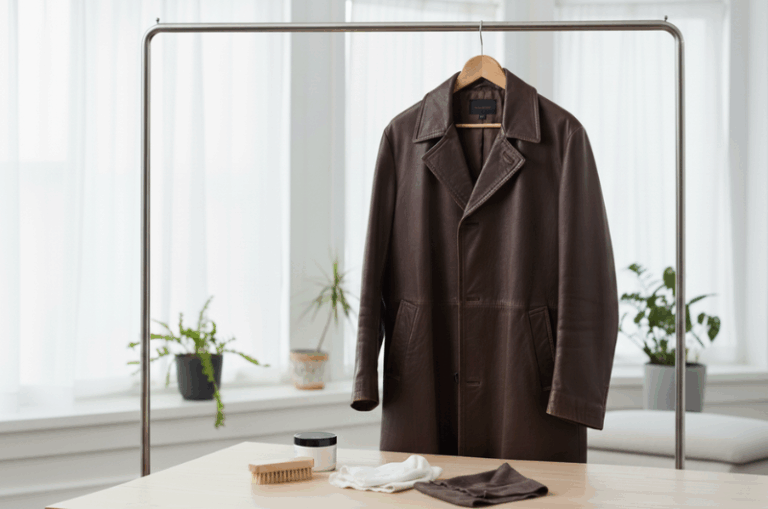
Leather coats carry an unmistakable aura of sophistication. They command presence. They age gracefully. They absorb stories. Yet, beneath their rugged exterior, they require meticulous care. A leather coat may survive decades, but only if you understand the science, technique, and precision behind proper cleaning. Many people search endlessly for “how do you clean a leather coat”, yet most guides only scratch the surface. Leather is not a typical fabric, nor does it behave like suede, cotton, polyester, or wool. It is a living, breathing material even long after it has been fashioned into a garment.
This comprehensive guide explores the full spectrum of leather care. From routine maintenance to deep cleaning, from stain removal to long-term preservation, it examines every crucial aspect of leather coat hygiene. It reveals how oils, grime, perspiration, and environmental pollutants settle into the hide and how to remove them without compromising the coat’s structure.
Whether your leather coat is a glossy biker jacket, a distressed vintage bomber, or a refined trench, the methods below will elevate your cleaning routine to a professional level. And for those who prefer expert assistance, modern specialists such as Elegance Dry Cleaners and reputable services like a trusted dry cleaner in Clapham have developed advanced techniques that go beyond DIY maintenance.
Understanding the Material Before Asking “How Do You Clean a Leather Coat?”
Before examining the step-by-step cleaning methods, it is essential to understand the anatomy of leather. Not all leather reacts the same. Treating every coat identically is a common mistake that leads to irreversible damage.
Types of Leather Found in Coats
Different leathers absorb moisture, oils, and cleaning agents at different rates.
Full-Grain Leather
The highest-quality leather. It retains the entire natural grain and is extremely durable. Cleaning must be gentle, as its pores absorb substances quickly.
Top-Grain Leather
Sand-blasted to remove imperfections. More uniform in appearance. Easier to clean but still requires delicate handling.
Nubuck Leather
Sanded on the grain side for a velvet-like surface. Extremely sensitive to moisture. Requires dry cleaning methods only.
Split Leather
Made from layers beneath the top grain. More absorbent. Cleaning solutions penetrate faster, increasing the risk of staining.
Bonded Leather
Made from leather scraps. Less durable, prone to peeling, and very sensitive to cleaning chemicals.
Why Leather Needs Unique Care
Leather is essentially preserved animal hide. It contains natural oils, collagen fibers, and micropores. When cleaning is overdone or done incorrectly:
-
Oils evaporate
-
Fibers stiffen
-
Cracks form
-
Colour fades
This is why the question “how do you clean a leather coat” has no single universal answer. The correct method depends on the leather’s category, age, finish, and condition.
Our specialists provide reliable cleaning, repairs, and alterations. contact us and book today.
The Golden Rules of Leather Coat Cleaning
Many leather disasters occur because people rush in with water, detergent, bleach, or solvents. The following principles protect your coat from avoidable harm.
Never Use Regular Laundry Detergent
It strips natural oils and causes irreversible dryness.
Avoid Soaking the Leather
Water disrupts the internal structure and leaves tide marks.
Test All Products on a Hidden Area First
Leather is unpredictable. A spot test is mandatory.
Never Expose Leather to Direct Heat During Drying
Sunlight, radiators, and blow dryers cause warping and stiffness.
Use Microfibre Cloths Only
They are gentle and prevent abrasions.
Condition the Leather After Every Cleaning
Cleaning removes oils. Conditioning replenishes them.
These rules form the backbone of any answer to “how do you clean a leather coat”.
Routine Care: The First Line of Defence
Every day maintenance ensures your coat does not deteriorate prematurely. These steps are simple but crucial.
Dust Your Coat Weekly
Use a soft microfibre cloth. Dust can penetrate pores over time.
Hang It on a Wide, Padded Hanger
Never fold a leather coat. Creases can become permanent.
Keep It Away from Direct Sunlight
UV rays fade dyes and weaken fibers.
Air It Out After Wearing
Perspiration trapped inside leather leads to odour and discolouration.
Routine care dramatically reduces the need for deep cleaning.
Preparing for the Cleaning Process
Before any contact with cleaning agents, preparation prevents mistakes.
Tools You Will Need
-
Microfibre cloths
-
Distilled water
-
Gentle leather cleaner
-
Leather conditioner
-
Spray bottle
-
White vinegar (optional)
-
Soft horsehair brush
-
Mild soap (saddle soap preferred)
-
Soft sponges
Inspecting the Coat
Look for:
-
Scratches
-
Grease patches
-
Ink stains
-
Watermarks
-
Mould spots
Each type of issue requires a different strategy.
Step-by-Step: How Do You Clean a Leather Coat Properly?
This is the core section of this guide. Below is the most effective method used by professionals and leather specialists.
Dry Surface Cleaning (The Foundation Step)
Dry cleaning removes surface-level contaminants before liquid contact.
How to Do It
-
Lay the coat flat on a clean surface.
-
Use a soft brush to remove dust.
-
Wipe gently using a dry microfibre cloth.
-
Pay attention to seams and creases.
This process alone can rejuvenate the appearance of lightly soiled leather.
Light Cleaning Using a Leather-Safe Solution
This is the safest approach for most modern leather coats.
Ingredients
-
Distilled water
-
A small amount of mild leather cleaner
Method
-
Mix a few drops of cleaner with distilled water.
-
Lightly dampen the cloth—never soak it.
-
Wipe the coat in circular motions.
-
Work section by section.
-
Immediately dry each section with another cloth.
This method is ideal for routine maintenance and answers the core question: how do you clean a leather coat? without risking damage.
Deep Cleaning for Heavily Soiled Leather
Deep cleaning removes embedded grime, sweat buildup, and environmental pollutants.
Procedure
-
Apply leather cleaner directly to a soft cloth.
-
Massage gently into the leather.
-
Allow the cleaner to lift dirt from pores.
-
Wipe away residue with a fresh cloth.
-
Let the coat air dry naturally.
Avoid applying cleaner directly to the leather surface.
Removing Specific Stains From Leather Coats
Different stains require different techniques. Treating them incorrectly can cause permanent damage.
Oil and Grease Stains
Oil stains sink deeply into leather. Do not use water.
Safe Solution
Use cornstarch or talcum powder.
Method
-
Sprinkle powder onto the stain.
-
Leave overnight.
-
Brush gently the next day.
-
Repeat if needed.
Ink Stains
Ink is notoriously difficult.
Solutions
-
Rubbing alcohol (very small amount)
-
Commercial ink remover
Steps
-
Dab—never rub—the ink.
-
Use minimal product.
-
Follow with conditioner.
Water Stains
Ironically, water can stain leather.
Fix
-
Lightly dampen the surrounding area.
-
Let it dry evenly.
-
Condition afterwards.
Mould and Mildew
Humidity causes fungal growth.
Technique
-
Mix equal parts water and vinegar.
-
Dab affected spots.
-
Allow coat to dry thoroughly.
-
Condition.
Salt Stains (Winter Damage)
Road salt stains leather quickly.
Method
-
Mix distilled water and white vinegar.
-
Wipe salt marks.
-
Dry immediately.
Conditioning: The Most Important Step After Cleaning
Conditioning is non-negotiable. It restores oils removed during cleaning and prevents cracking.
Steps
-
Use a high-quality leather conditioner.
-
Apply with a soft cloth.
-
Cover the entire coat.
-
Let the conditioner absorb naturally.
-
Buff the surface to restore shine.
Conditioning answers the second half of the question, many people forget when asking “how do you clean a leather coat” because cleaning without conditioning is incomplete.
Polishing and Final Touches
Not all leather coats require polishing, but it enhances their appearance.
Polishing Tips
-
Use wax-based polish sparingly
-
Avoid silicon-based products
-
Buff to a natural sheen
For shiny finishes, a small amount of leather balm works wonders.
How to Clean Different Types of Leather Coats
Not all leather reacts the same. Below are tailored guidelines.
Cleaning a Vintage Leather Coat
Vintage leather is delicate.
Recommendation
Use the mildest cleaning solutions. If the coat looks fragile, entrust it to leather experts such as Elegance Dry Cleaners, who specialise in delicate garment restoration.
Cleaning a Suede or Nubuck Leather Coat
Suede requires a completely different approach.
Rules
-
Never use water
-
Use a suede brush
-
Clean with a suede eraser
-
Apply suede protector spray
Even minor mistakes can ruin suede permanently.
Cleaning Faux Leather Coats
Faux leather does not need conditioning.
Method
-
Use mild soap and water
-
Wipe clean
-
Dry thoroughly
Avoid harsh chemicals that cause peeling.
Drying Your Leather Coat the Right Way
Drying defines the final texture of your coat.
Correct Method
-
Air dry only
-
Keep away from sunlight
-
Maintain proper room ventilation
-
Do not hang on a hook
-
Allow 24–48 hours for complete drying
Leather that dries too quickly becomes brittle.
Long-Term Storage and Preservation
A leather coat can remain pristine for decades if stored correctly.
Storage Tips
-
Use breathable garment bags
-
Avoid plastic covers
-
Hang vertically
-
Keep away from attic or basement humidity
-
Add cedar blocks to repel insects
Seasonal Storage
Before long-term storage:
-
Clean the coat
-
Condition it
-
Air it out
-
Package it carefully
When Should You Seek Professional Help?
Some leather issues require advanced methods:
-
Extensive mould
-
Deep oil penetration
-
Fading
-
Colour bleeding
-
Structural cracking
Professionals like Elegance Dry Cleaners have specialised solvents and finishing agents that restore leather while preserving its integrity.
Frequently Asked Questions About Leather Coat Cleaning
Below are common concerns related to the keyword “how do you clean a leather coat”.
Can you wash a leather coat in a washing machine?
Absolutely not.
Can saddle soap be used on all leather?
No. Avoid on suede and delicate finishes.
Can you use baby wipes?
No. They contain alcohol and chemicals.
How often should you clean your leather coat?
Light cleaning every 2–3 weeks. Deep cleaning every 6–12 months.
Our specialists provide reliable cleaning, repairs, and alterations. contact us and book today.
Conclusion
Leather coats stand at the intersection of fashion and durability. Their longevity depends entirely on proper care. Understanding the nuances of leather—its pores, its natural oils, its sensitivity—transforms ordinary maintenance into an art form. This guide provides every detail needed to solve the question: how do you clean a leather coat safely and professionally?
With careful weekly care, periodic conditioning, and appropriate stain removal techniques, a leather coat can look impeccable for years. For advanced restoration, colour renewal, or repairing delicate finishes, expert services remain the gold standard, including specialists such as Elegance Dry Cleaners.