
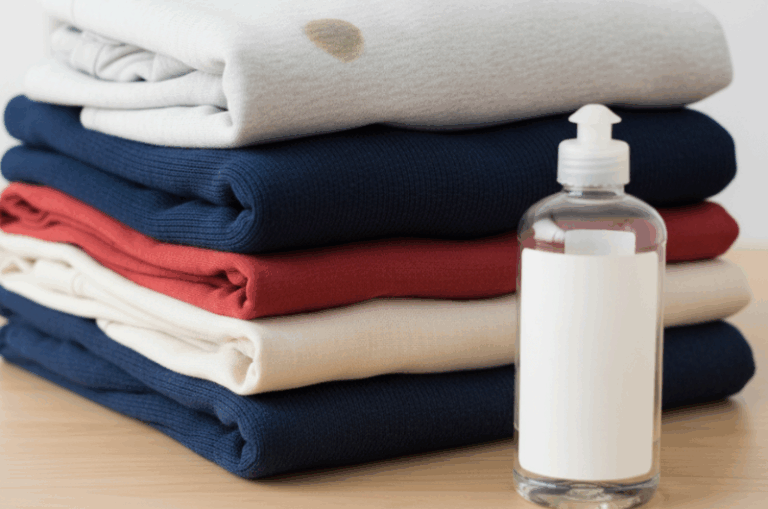
Oil stains are among the most persistent and exasperating marks that can afflict garments. They spread quickly, embed deeply into fibres, and often remain invisible at first—only to oxidise and darken during the next wash. Whether the culprit is cooking oil, automotive grease, butter, salad dressing, or cosmetic products, understanding the chemistry of oils and fabrics is the key to successful removal. This ultimate guide explores everything needed to confidently and effectively remove oil stains from clothes.
This comprehensive resource explains why oil behaves the way it does, the science behind its resistance, and the exact step-by-step strategies that enable you to finally remove oil stains from garments. The methods explored here work for cotton, denim, synthetics, wool, delicate silks, and more. From household staples to industry-grade techniques used by professionals such as Elegance Dry Cleaners, this guide equips you with a meticulously engineered roadmap for salvaging your clothing.
Understanding Oil Stains: Why They Are So Difficult to Remove
Oil stains are hydrophobic by nature—they repel water. Most laundry cycles depend on water-based cleaning. Consequently, when oil meets fabric, it latches onto fibres with impressive tenacity. Water alone cannot dislodge these lipids. Instead, oils infiltrate the microscopic cavities in the textile structure, forming an almost adhesive bond that resists conventional washing.
Another peculiarity is that oil stains often initially appear translucent. This deceptive clarity makes them harder to spot. Only after drying or oxidising do they transform into darker, more pronounced marks. The key, therefore, is swift intervention. The longer oil sits, the deeper it penetrates.
To remove oil stains, you must counteract the hydrophobic properties using surfactants—compounds that break surface tension and emulsify oils. These include detergents, dish soap, degreasers, and solvents. Mechanical action, temperature control, and absorbent powders also play critical roles in loosening and lifting oils from fibres.
Our specialists provide reliable cleaning, repairs, and alterations. contact us and book today.
Types of Oil Stains and Their Unique Behaviours
Not all oils are created equal. Understanding their differences helps determine how to remove oil stains from clothes effectively.
1. Vegetable and Cooking Oils
Examples: olive oil, canola oil, sunflower oil
Light but persistent. Easily treated with dish soap and absorbent powders.
2. Animal Fats
Examples: butter, ghee, lard
Thicker, protein-rich, and more stubborn.
3. Petroleum-Based Oils
Examples: motor oil, lubricants
Deeply penetrating, requiring strong solvents or professional assistance.
4. Cosmetic Oils
Examples: lotions, sunscreens
Complex blends that often leave coloured residues.
5. Essential Oils
Examples: lavender, tea tree oil
Highly aromatic and seemingly mild, yet surprisingly persistent.
Immediate Actions: What to Do the Moment an Oil Stains Your Clothing
1. Blot—Don’t Rub
Rubbing forces oil deeper into fibres.
2. Use an Absorbent Powder
Cornstarch, baking soda or talcum powder draws oil outward.
3. Avoid Water Initially
Water spreads oil rather than removing it.
4. Pre-Treat Before Washing
Always pre-treat with a surfactant before laundering.
Swift action dramatically increases the likelihood of being able to remove oil stains from clothes.
The Most Effective Methods to Remove Oil Stains from Clothes
Method 1: Dish Soap Degreasing
Highly effective for fresh stains.
Method 2: Baking Soda Absorption
Excellent for deep-set or dried stains.
Method 3: Cornstarch (For Delicates)
Gentle yet effective for silk, wool, and chiffon.
Method 4: Laundry Detergent Paste
Ideal for older, darker stains.
Method 5: Vinegar + Soap Combination
Helps loosen oil when paired with detergent.
Method 6: Industrial Degreasers
For heavy-duty stains like engine oil.
Method 7: Hot Water Flush (For Durable Fabrics)
Heat thins oil, making it easier to clean.
Method 8: WD-40 for Oxidised Stains
A surprisingly effective solvent-based technique.
How Fabric Type Influences Oil Removal
- Cotton is forgiving.
- Polyester is stubborn.
- Silk is delicate.
- Denim is absorbent.
- Wool requires gentleness.
Applying the right method ensures your efforts to remove oil stains succeed without damaging the fibres.
Common Mistakes to Avoid
-
Don’t use cold water first.
-
Don’t machine dry until the stain is fully gone.
-
Don’t scrub aggressively.
-
Don’t apply bleach.
-
Don’t panic and over-treat prematurely.
Professional Cleaning Help
When home methods fail, professional cleaners offer solvent-based processes that dissolve oil instantly. This is especially helpful for expensive garments or complex fabrics. If your stain persists after multiple attempts, Elegance Dry Cleaners can access industrial equipment and specialised chemicals that far exceed domestic capabilities.
FAQs
Can oil stains be removed after drying?
Only if heat has not set them.
How long should pre-treatment sit?
10–40 minutes depending on stain severity.
Does salt work?
No—salt absorbs moisture, not oil.
Does hot water always help?
Only for heat-safe fabrics.
Prevention Tips
- Wear aprons while cooking.
- Treat stains immediately.
- Use garment protectants.
- Wash regularly.
- Keep stained and clean clothes separate.
Our specialists provide reliable cleaning, repairs, and alterations. contact us and book today.
Conclusion
Oil stains may be persistent, but they are not permanent. With the right understanding, the correct products, and a strategic cleaning sequence, anyone can master how to remove oil stains from clothes. Whether the stain is fresh or deeply embedded, household remedies and professional techniques provide a powerful arsenal for rescue.
With the methods outlined in this guide, oil stains—no matter their source—can be systematically dismantled, washed away, and forgotten.