
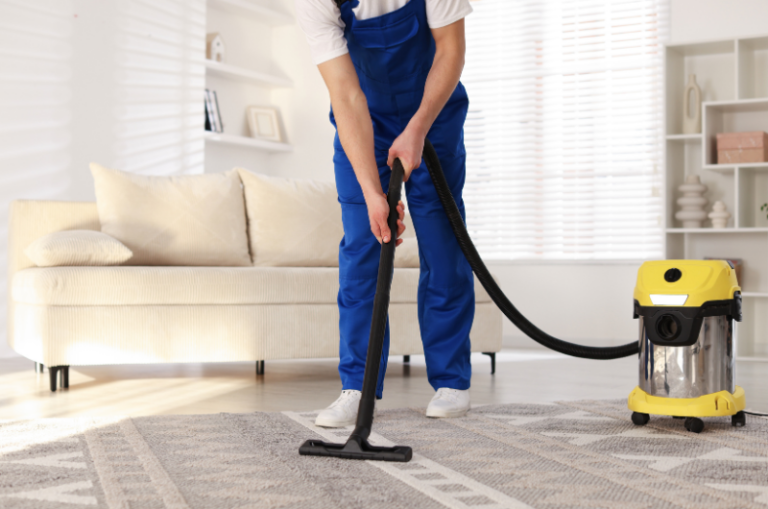
Oriental rugs are more than floor coverings. They are intergenerational heirlooms, hand-knotted works of art, and tactile narratives of culture, craftsmanship, and tradition. Each rug carries the history of meticulous weaving techniques perfected over centuries from the lush Persian landscapes of Tabriz and Isfahan to the tribal ateliers of Afghanistan, Turkey, and the Caucasus. Yet, despite their durability, Oriental rugs demand specialised attention. Knowing the Best way to clean an oriental rug and exactly when to clean an oriental rug is essential. Their fibres, be they wool, silk, or a hybrid blend, are vulnerable to incorrect cleaning practices, harsh chemicals, excessive agitation, and misguided home remedies.
Maintaining their splendour is not complicated, but it is precise. With the right methodology, consistent upkeep, and an understanding of fibre behaviour, any homeowner can preserve the magnificence of their rug for decades. This comprehensive guide explores the safest and most effective approaches for preserving longevity, lustre, and structural integrity. For homeowners who prefer a professional service, experts such as Elegance Dry Cleaners offer specialist Oriental rug care.
Our specialists provide reliable cleaning, repairs, and alterations. contact us and book today.
Understanding the Anatomy of Oriental Rugs
Cleaning begins with comprehension. Oriental rugs are constructed with three primary layers: the foundation (warp and weft), the pile, and the protective finishing treatments.
1. The Foundation
The foundation is typically cotton, wool, or occasionally silk. Cotton is the most common and offers dimensional stability. Silk provides exquisite finesse but is extremely delicate. Wool foundations, found in tribal rugs, are resilient yet susceptible to distortion if exposed to excessive moisture.
2. The Pile
The pile constitutes the visible surface fibres. Wool is the most common, valued for its elasticity, sheen, and resistance to soiling. Silk pile rugs are renowned for their brilliance but require exceptionally gentle handling. Some modern reproductions may blend fibres or even incorporate synthetic materials, each reacting differently to moisture and agitation.
3. Dyes and Colour Stability
Traditional vegetable dyes produce nuanced shades and subtle gradients. However, natural dyes may bleed when exposed to alkaline cleaners or over-saturation. Synthetic dyes are generally more stable but are not immune to colour migration. Before attempting to clean an Oriental rug, always evaluate dye fastness.
Why Proper Cleaning Matters
Oriental rugs accumulate pollutants at a microscopic level. Dust particulates settle deep within the fibres. Pollens and allergens cling tenaciously to the pile. Airborne pollutants such as soot, petroleum residue, and smoke cling to the lanolin in wool. These contaminants do not merely dull the rug’s beauty they abrade the fibres from within.
Left unchecked, these particulates accelerate wear patterns. Foot traffic grinds dirt into the pile, causing premature thinning. Embedded debris can lead to long-term structural distortion. Correct cleaning halts this deterioration and restores radiance.
Best Practices for Routine Maintenance
1. Vacuuming With Precision
Regular vacuuming is essential, yet it must be done with finesse. Use a suction-only vacuum (no beater bar or rotary brush) to avoid damaging the fibres or pulling at the knots. Vacuum both sides every few weeks to extract dust trapped beneath the foundation.
2. Rotation for Even Wear
Sunlight, foot traffic, and furniture placement can lead to uneven fading or pile distortion. Rotate your rug 180 degrees every six months to ensure balanced aging.
3. Sunlight Management
Prolonged exposure to UV light can desaturate dyes. If possible, use window films, curtains, or blinds. For valuable silk rugs, avoid sun exposure altogether.
The Best Way to Clean an Oriental Rug: Full Deep-Cleaning Method
When the rug’s fibres look matted, feel gritty, or emit a stale odour, it’s time for a thorough wash. This is the Best way to clean an oriental rug, and each step must be followed with precision.
Step 1: Pre-Inspection and Documentation
Conduct a detailed inspection. Look for:
-
Dye instability
-
Worn areas
-
Holes or weakened threads
-
Fringe damage
-
Previous repairs
-
Pile texture variation
-
Pet stains
-
Moth infiltration
Step 2: Dye Stability Testing
Use a white cloth dampened with cool water. Press gently onto several coloured areas. If dye transfers, proceed cautiously or consult a professional.
Step 3: Dust and Particulate Removal
A single rug can hold pounds of impacted soil.
Beating or Dusting
Place the rug pile-down and beat gently. For large or delicate rugs, mechanical dusting systems are safer.
Air Dusting
Compressed air wands are highly effective for releasing embedded particulates without excessive agitation.
Step 4: Pre-Treating Stains
Stains require targeted solutions. Use neutral or slightly acidic cleaners specifically designed for wool or silk. Avoid harsh chemicals. Pet urine requires enzyme-based treatments to break down odour-causing crystals.
Step 5: Selecting the Right Cleaning Solution
Choose a mild, wool-safe detergent with a slightly acidic pH. Silk needs an even gentler, neutral pH solution. Never use bleach or optical brighteners.
Step 6: Submersion Washing
Traditional immersion washing is preferred for most wool rugs.
Process:
-
Lay the rug on a wash floor.
-
Saturate with cool water.
-
Apply cleaning solution and agitate gently.
-
Rinse thoroughly.
This restores elasticity, removes deep soil, and rejuvenates the pile.
Step 7: Rinsing Thoroughly
Rinse until the water runs completely clear. Detergent residue attracts dirt, so this step is crucial.
Step 8: Cleaning the Fringe
Fringes require gentle treatment. Brush lightly in the direction of the fibres. Avoid bleach completely, as it damages cotton warp threads.
Step 9: Controlled Drying
Dry the rug flat with high airflow. Never hang a wet rug by its fringe. Avoid direct sunlight. Ensure complete drying before returning it indoors.
Low-Moisture Cleaning for Delicate Rugs
For silk, antiques, or unstable dyes, use minimal moisture.
-
Light misting of wool-safe cleaner
-
Microfibre agitation
-
Blotting instead of scrubbing
-
Rapid airflow drying
Removing Odours
Pet Odours
Use enzyme-based treatments and, if the dyes are stable, deep soaking.
Smoke Odours
May require ozone or activated charcoal treatment.
Musty Odours
Thorough cleaning and fast drying eliminate mould-causing moisture.
Our specialists provide reliable cleaning, repairs, and alterations. contact us and book today.
Emergency Spill Response
Do:
-
Blot gently
-
Use cool water
-
Remove solids carefully
Don’t:
-
Rub
-
Use hot water
-
Apply random cleaners
-
Oversaturate
How to Clean an Oriental Rug at Home
When attempting to clean an oriental rug at home, follow a disciplined approach.
Tools:
-
Wool-safe detergent
-
Buckets
-
Towels
-
Soft brushes
-
Squeegee
-
Ventilated area
Steps:
-
Choose an outdoor or garage space.
-
Dust deeply before getting it wet.
-
Use cool water only.
-
Limit moisture.
-
Rinse thoroughly.
-
Dry completely.
Special Precautions for Antique Rugs
Antique fibres can be fragile.
-
Avoid heavy agitation
-
Avoid submersion if foundation is weak
-
Handle minimally when wet
-
Seek professional assessment for damage
Common Mistakes to Avoid
-
Baking soda residue
-
Vinegar directly on fibres
-
Steam cleaners
-
Bleaching fringes
-
Over-vacuuming with beater bars
Professional Cleaning vs. Home Cleaning
Professionals offer:
-
Industrial dusting machines
-
Dye-stabilising treatments
-
Natural fibre detergents
-
Proper drying systems
-
Fringe restoration
-
Moth-proofing
This is why many consider specialist services such as the Best Dry Cleaners in Clapham when dealing with high-value rugs.
Cleaning Frequency
-
High-traffic: 12–18 months
-
Low-traffic: 2–3 years
-
Homes with pets: annually
-
Antiques: as needed
Safe Storage
-
Clean before storing
-
Roll, don’t fold
-
Wrap with acid-free paper
-
Avoid plastic
-
Keep in a cool, dry space
Moth Prevention
-
Vacuum both sides
-
Use cedar
-
Sun rugs briefly
-
Apply moth-proofing spray
Repair & Restoration
Repairs may include:
-
Rebinding edges
-
Refringing
-
Reweaving missing sections
-
Repairing holes
-
Re-tensioning foundation
Only experienced artisans should perform restoration.
Eco-Friendly Cleaning Options
-
Biodegradable detergents
-
Plant-based stain removers
-
Low-water methods
-
Energy-efficient drying
Our specialists provide reliable cleaning, repairs, and alterations. contact us and book today.
Final Thoughts
Oriental rugs can last generations when properly maintained. Whether using the immersion method the Best way to clean an oriental rug or a delicate low-moisture cleaning process, precision is essential. With the right care, your rug will retain its splendour for decades, preserving the artistry and heritage woven into every knot.