
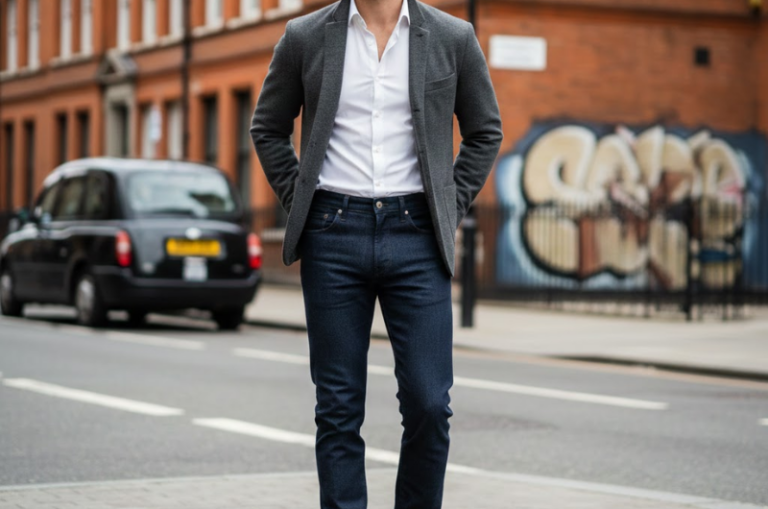
Denim has always been a cultural artefact. From workwear in the early 1900s to the fashion statements dominating modern runways, it continues to evolve in unexpected ways. One of the most intriguing developments in recent years is the rise of starch denim, particularly in UK fashion circles. Many people are seeing videos of impossibly stiff trousers standing upright on their own and wondering: What exactly is going on?
This detailed guide explores what is starch Jeans, why starching denim has become a social-media-driven trend, the underlying technique, and the practical implications for everyday wearers.
Why Starched Denim Is Back
Denim aficionados know that jeans tell a story. The whiskers, fades, creases, and abrasions narrate one’s lifestyle. For purists, the sharper the lines and the more defined the creases, the more character the garment develops.
That’s where starching enters the picture.
Starching denim isn’t new. It dates back decades when workers wanted their trousers to remain crisp and structured throughout long workdays. Today, however, nostalgia intersects with aesthetics. UK consumers, especially in cities like Manchester, Birmingham, and London, are seeing a resurgence of interest in heavily starched jeans. TikTok and Instagram reels have only accelerated the trend, with users showcasing gravity-defying rigid jeans that can practically stand upright.
So before diving deeper, let’s first understand what Starch Jeans is and why people are pursuing this unique garment texture.
Our specialists provide reliable cleaning, repairs, and alterations. contact us and book today.
What is Starch Jeans? A Comprehensive Definition
The phrase What is Starch Jeans refers to denim trousers that have been treated with fabric starch to create stiffness, structure, and a crisp finish. Starch is usually applied during washing, drying, or ironing to reinforce the fabric fibres, giving the jeans a rigid, almost sculptural quality.
Regular jeans drape according to body movement. Starched jeans resist movement, maintaining sharp lines, rigid silhouettes, and pronounced creases. Those who love the look often describe it as clean, disciplined, or utilitarian.
Starch-enhanced denim sits between conventional fashion and textile engineering. It involves modifying the behaviour of cotton fibres using a stiffening agent, usually derived from vegetable products such as rice, corn, or wheat starch.
The Origins of Starching Denim: From Workwear to Runway
To understand the revived interest in starched denim, it’s helpful to acknowledge its utilitarian heritage.
Workwear Tradition
In the early 20th century, labourers starched their work trousers for practical reasons:
-
Starch helped repel dust and dirt.
-
Stiff fibres reduced friction and increased durability.
-
Workers appreciated the structured, hard-wearing feel.
The practice was especially common in industries such as ranching and mining. Cowboy culture famously embraced starched jeans for their clean appearance and long-lasting creases.
Military Influence
Military uniforms, especially parade trousers, have historically used starch to maintain sharp lines. When denim transitioned from workwear to casualwear, some of these traditions followed.
Contemporary UK Revival
In the UK, the renaissance of starched jeans is driven by:
-
TikTok DIY trends.
-
Denim enthusiasts seeking sharper fades.
-
Street-style photographers capturing crisp fashion silhouettes.
-
A growing interest in Americana aesthetics.
This crossover of digital influence and analogue fashion ensures that starch denim remains both nostalgic and modern.
How Starch Works: The Science Behind the Stiffness
At a molecular level, starch forms a film around cotton fibres. When applied to denim and heat-treated through ironing or drying, the starch hardens, reinforcing the weave structure.
Fibre Encapsulation
Starch molecules penetrate the denim weave. Once dry, they create a thin coating that:
-
Reduces fabric flexibility.
-
Enhances rigidity.
-
Maintains shape under pressure.
Crease Memory
Because of the hardened coating, denim develops what textile scientists call “crease memory,” meaning the fabric holds the fold more aggressively than untreated denim.
Increased Abrasion Effects
Rigid denim emphasises friction points. As you move, starched jeans naturally create more dramatic fade patterns—this is one of the reasons denim connoisseurs use starch regularly.
Why Are Starch Jeans Trending in the UK?
The trend didn’t appear from nowhere. Several cultural factors contribute to the widespread fascination with stiff denim.
Social Media Sensation
Videos of jeans standing upright like sculptures went viral. Curiosity sparked widespread experimentation. People enjoy the theatrics: dipping jeans into starch mixtures, drying them outdoors, and then showcasing the results.
Aesthetic Minimalism
Modern UK fashion leans towards structured silhouettes. Oversized coats, boxy blazers, and defined trousers are key elements of contemporary style. Starch jeans complement this aesthetic through their clean, angular shape.
Influence of Raw Denim Culture
Raw denim collectors—who prefer untreated, unwashed jeans—have long used starch to develop stronger fades. Their influence has expanded into mainstream fashion.
Rebellious Individualism
Starch jeans stand out. They are unconventional, unapologetically dramatic, and subtly rebellious. Young UK consumers enjoy this departure from soft, stretchy fast-fashion jeans.
What Starch Does to Denim: The Benefits and Visual Impact
Starch transforms denim in multiple ways. Here are the most common benefits that attract wearers.
Sharper Fades
Rigid denim creates more defined:
-
Honeycombs behind the knees
-
Whiskers around the thighs
-
Stacking lines above the shoes
Collectors treasure these patterns.
Improved Structure
Starched jeans hold shape better than soft, washed denim. This helps maintain:
-
Straight leg lines
-
Clean silhouettes
-
Tailored impressions
Dirt and Oil Resistance
The starch coating acts as a barrier, preventing dirt from embedding in the fibres. This means jeans stay visually cleaner for longer.
Enhanced Durability
Although starched denim may feel stiff, the added structure reduces excessive stretching and sagging, prolonging the lifespan.
Step-by-Step: How to Do Starch Jeans
The keyword how to do Starch Jeans is increasingly searched by UK consumers eager to recreate the trend at home. Below is a thorough, easy-to-follow method for achieving crisp, rigid denim.
What You Need
-
Liquid starch or powdered starch
-
Large bucket or tub
-
Hot water
-
Wooden spoon
-
Towel
-
Iron (optional)
-
Outdoor space for drying
Preparatory Steps
-
Start with clean, damp jeans.
-
Shake off excess water but avoid completely drying them.
Making the Starch Mixture
-
Fill a bucket with warm water.
-
Add the appropriate amount of starch.
-
Stir until completely dissolved.
Starching the Jeans
-
Submerge the jeans fully.
-
Leave them in the mixture for 10–20 minutes depending on desired rigidity.
-
Squeeze gently to remove extra liquid, but avoid wringing.
Drying Process
-
Hang the jeans outdoors for natural airflow.
-
Ensure the legs are straight to avoid unnecessary wrinkles.
-
As they dry, the stiffness will develop gradually.
-
For ultra-crisp jeans, use an iron after they partially dry.
Extra Stiff Method
Some denim enthusiasts dip the jeans repeatedly, allowing each layer of starch to dry before applying the next. This creates the dramatic “standing jeans” effect seen online.
This explains the trending question how to do Starch Jeans in a practical, actionable format.
The Pros of Starch Jeans: Why People Love Them
Despite the rigidity, starched jeans still attract admirers for several compelling reasons.
Striking Aesthetic
The crisp appearance is visually appealing. It communicates discipline, style, and uniqueness.
Iconic Fade Patterns
Hard denim yields the most dramatic and iconic fade patterns, making them ideal for collectors.
Clean Look for Longer
The dirt-repelling qualities help maintain a fresh, neat look throughout the day.
Tailored Structure
The jeans don’t collapse or bag at the knees. Instead, they maintain a structured, almost engineered shape.
Longevity
Starch reduces the likelihood of denim stretching out of shape, leading to longer garment life.
The Cons of Starch Jeans: What Wearers Should Know
Of course, starch denim isn’t without drawbacks. These limitations matter for those considering whether to adopt the trend.
Reduced Comfort
The most significant downside is comfort—or lack thereof. Starch jeans are rigid. Some people find them restrictive.
Potential Fabric Stress
Overuse of starch can weaken denim fibres over time, especially if aggressively ironed.
Limited Mobility
If heavily starched, jeans may restrict bending, sitting, or crouching.
Chafing Risk
Stiff fabric rubbing against skin can cause irritation. Wearing an underlayer often resolves this.
Time-Consuming Process
Starching denim properly requires multiple steps, drying time, and effort.
Different Starching Techniques: Light, Medium, and Heavy
Not all starching methods produce the same level of stiffness. Here’s a breakdown of the main categories.
Light Starch
-
Provides gentle structure
-
Keeps denim soft enough for all-day wear
-
Suitable for beginners
Medium Starch
-
More noticeable rigidity
-
Enhances creases and fades
-
Offers a balance between comfort and aesthetics
Heavy Starch
-
Produces sculptural, ultra-stiff jeans
-
Ideal for enthusiasts and dramatic TikTok videos
-
Significantly restricts flexibility
Starch Types: What UK Wearers Commonly Use
Different starches produce different results. Here are the most common:
Corn Starch
-
Most widely used
-
Affordable and effective
-
Produces consistent rigidity
Rice Starch
-
Ultra-smooth finish
-
Preferred by denim purists seeking cleaner creases
Wheat Starch
-
Strong, durable finish
-
Slightly heavier texture
Spray Starch
-
Convenient for quick touch-ups
-
Less intense than soaking methods
How Starch Jeans Fit into UK Style Culture
Starch jeans are reshaping UK street style. The rigid silhouettes resonate with the country’s growing appetite for statement pieces.
Urban Streetwear
Cities like London and Manchester are embracing starch jeans in:
-
Techwear outfits
-
Minimalist ensembles
-
Oversized tops and structured bottoms
Smart Casual Influence
Crisp jeans pair well with:
-
Blazers
-
Chelsea boots
-
Turtlenecks
Artistic, Avant-Garde Fashion
Some UK creators use starch jeans as a canvas for photography and fashion editorial work.
The Social-Media Fuelled Obsession
Platforms like TikTok and Instagram have transformed starch jeans from niche denim trick to full-blown trend.
Viral Challenges
Users compete to create the stiffest jeans possible.
DIY Tutorials
Influencers regularly post step-by-step videos showing how to do Starch Jeans at home.
Reaction Videos
People’s shocked reactions when jeans stand upright make for humorous, high-engagement content.
Aesthetic Videos
Slow-motion walking videos showcasing crisp denim folds have become a subgenre within fashion content.
Starch Jeans vs Raw Denim: Key Differences
Though often linked, starch jeans and raw denim are not the same.
Raw Denim
-
Unwashed, untreated
-
Naturally stiff
-
Develops fades over time
Starched Denim
-
Any denim type can be starched
-
Artificial stiffness
-
Immediate structural change
Raw denim enthusiasts sometimes starch their jeans to enhance fade potential, but raw denim itself does not require starching.
Are Starch Jeans Safe for the Fabric?
There is debate regarding the long-term impact of starch on denim fibres.
Occasional Use
Light to medium starching is generally safe.
Frequent Heavy Starching
Can cause:
-
Fibre brittleness
-
Increased susceptibility to cracking at stress points
Protective Measures
To maintain fabric integrity:
-
Alternate starch cycles
-
Avoid excessive ironing
-
Use high-quality denim
Starch Jeans and Sustainability
Consumers often ask whether starching aligns with sustainable fashion practices.
Positive Aspects
-
Use of plant-based starch aligns with eco-friendly values.
-
Starching extends the lifespan of denim by reducing sagging and deformation.
Potential Concerns
-
Excessive washing to remove old starch layers may raise water usage.
Moderation, as always, is the key.
Our specialists provide reliable cleaning, repairs, and alterations. contact us and book today.
Practical Tips for Wearing Starch Jeans in Everyday UK Life
Here’s how to integrate starch denim into a daily wardrobe without experiencing discomfort.
Start with Light Starch
Beginners may find heavy starch overwhelming.
Break Them In Slowly
Wear your jeans around the house before wearing them outdoors.
Choose the Right Fit
Straight-leg or relaxed fits work best with starch.
Layer Underneath
Long socks or leggings prevent chafing.
Pair with Minimalist Pieces
Let the jeans be the statement.
Maintenance: How to Care for Starch Jeans
Proper care will keep your starched jeans looking pristine.
Avoid Frequent Washing
Washing removes starch layers prematurely.
Spot-Clean When Possible
Eliminates the need for full washes.
Reapply Starch as Needed
Depending on how crisp you want them.
Hang-Dry Only
Machine dryers weaken the starch film.
Store Hanging
Prevents creases from collapsing.
Frequently Asked Questions About Starch Jeans
Are Starch Jeans Comfortable?
They can be, but heavy starch jeans feel rigid until broken in.
Can Any Jeans Be Starched?
Yes, cotton-denim works best.
Are Starch Jeans Washable?
Yes. However, each wash removes some starch.
Why Do People Want Starch Jeans?
For aesthetics, dramatic fades, and structured silhouettes.
Can Starch Damage Denim?
Only if applied excessively for long periods.
Final Thoughts: The Cultural Appeal of Starch Jeans in the UK
Starch jeans occupy a fascinating intersection between fashion, culture, and craftsmanship. They offer a way to personalise denim, create bold silhouettes, and indulge in a tactile experience that contrasts sharply with the stretch-based fast fashion dominating the UK retail landscape.
In answering the rising question What Is Starch Jeans, it becomes clear that it’s more than a textile technique—it’s a visual language. Its structure made wearable. It’s character forged through rigidity. And for many fashion-conscious individuals, it’s an art form.
Whether you’re experimenting for the first time or refining your technique after years of denim fascination, understanding the practice behind Starch Jeans and mastering how to do Starch Jeans gives you control over one of the most expressive fabrics in fashion history.
The UK’s adoption of this trend suggests one thing: starch denim is more than just stiff jeans; it’s a statement of individuality, craftsmanship, and aesthetic precision.
Disclaimer: The information that is provided in this article is general in nature; it does not intend to disregard any of the professional advice.