
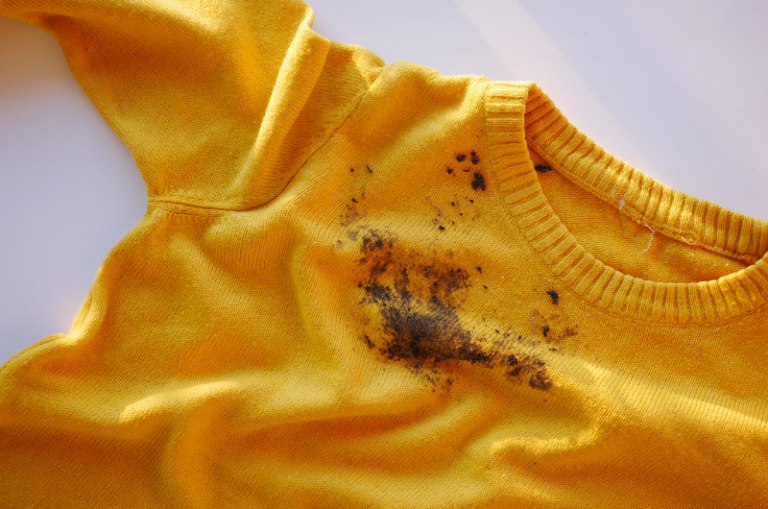
Grease stains are among the most stubborn and visually unappealing fabric blemishes, often appearing at the worst possible moments. Whether it’s cooking oil splatter, mechanical grease, or an accidental spill during a meal, knowing how to effectively remove grease stains from clothes can preserve garment longevity and maintain a polished appearance. These stains, if left untreated, bond deeply with textile fibers, making removal increasingly difficult over time. This comprehensive guide explores advanced yet practical methods, scientific reasoning behind stain adhesion, and professional-grade techniques to restore fabrics to their original condition.
Our specialists provide reliable cleaning, repairs, and alterations. contact us and book today.
Remove Grease Stains from Clothes: Understanding the Nature of Oil-Based Stains
To successfully remove grease stains from clothes, it is essential to first understand what makes grease so persistent. Unlike water-based stains, grease is hydrophobic, meaning it repels water and binds strongly with fibrous structures such as cotton, polyester, and wool. This adhesion occurs because oils contain long hydrocarbon chains that penetrate fabric pores and latch onto microfibers.
Grease stains typically fall into three categories:
- Cooking oils (olive oil, vegetable oil, butter)
- Mechanical grease (motor oil, lubricants, machine residue)
- Body-based oils (sebum transferred from skin)
Each type behaves differently on fabric, but all share one common trait: resistance to water-based cleaning alone. This is why conventional washing often fails unless pre-treatment steps are taken.
The molecular structure of grease allows it to oxidize over time, meaning older stains become darker and more stubborn. This transformation is why immediate action is critical when attempting to remove grease stains from clothes effectively.
Immediate Actions to Remove Grease Stains from Clothes Effectively
When dealing with fresh stains, timing is everything. The first few minutes after a spill can determine whether the stain is easily removable or permanently set.
Step 1: Blot, Don’t Rub
Rubbing a grease stain spreads it deeper into the fabric. Instead, gently blot the excess using a clean paper towel or absorbent cloth. This helps lift surface oil without pushing it further into fibers.
Step 2: Apply Absorbent Powder
Household powders such as baking soda, cornstarch, or talcum powder are highly effective. These substances act as lipid absorbers, drawing oil out of fabric through capillary action.
- Sprinkle generously over the stain
- Allow it to sit for 15–30 minutes
- Gently brush off residue
This pre-treatment significantly improves the success rate when you later attempt to remove grease stains from clothes during washing.
Step 3: Pre-Treat with Dish Soap
Dishwashing liquid is engineered to break down fats and oils. Apply a small amount directly onto the stain and gently work it in with your fingers or a soft brush. Let it rest for 10–15 minutes before washing.
Our specialists provide reliable cleaning, repairs, and alterations. contact us and book today.
Advanced Methods to Remove Grease Stains from Clothes Using Household Ingredients
Once the initial absorption phase is complete, deeper cleaning techniques are required to dismantle embedded grease molecules.
Baking Soda and Vinegar Reaction Method
A mildly alkaline environment enhances grease breakdown. Baking soda, when combined with a small amount of vinegar, creates a controlled effervescence that loosens oil particles.
- Sprinkle baking soda on the stain
- Add a few drops of vinegar
- Let it fizz and settle
- Gently scrub and rinse
This method is particularly effective for cotton and denim fabrics.
Hot Water Degreasing Technique
Heat increases the solubility of oils. Washing stained garments in warm (not boiling) water improves detergent efficiency. However, fabric type must be considered—delicate fabrics may shrink or warp under high temperatures.
Liquid Detergent Soak
For persistent stains, soaking is essential. Submerge the garment in warm water mixed with heavy-duty liquid detergent for at least 30–60 minutes before washing.
These combined approaches significantly enhance your ability to remove grease stains from clothes without damaging fabric integrity.
Our specialists provide reliable cleaning, repairs, and alterations. contact us and book today.
How to Remove Grease Stains from Clothes on Different Fabric Types
Different textiles react differently to grease and cleaning agents. Understanding fabric behavior ensures optimal results.
Cotton and Linen
Natural fibers like cotton and linen are highly absorbent. They respond well to dish soap, baking soda, and hot water treatments. However, prolonged exposure to grease may require multiple washing cycles.
Polyester and Synthetic Blends
Synthetic fabrics repel water but attract oil-based stains due to their hydrophobic nature. Use strong degreasing detergents and avoid excessive heat, which may lock in stains.
Wool and Silk
Delicate fabrics require specialized care. Enzyme-based detergents and cold water treatments are recommended. Avoid aggressive scrubbing, as fiber damage can occur easily.
Mastering fabric-specific techniques is essential when attempting to remove grease stains from clothes without compromising garment quality.
Our specialists provide reliable cleaning, repairs, and alterations. contact us and book today.
Professional Techniques to Remove Grease Stains from Clothes at Home
When household remedies fall short, professional-grade methods can be replicated at home with careful execution.
Enzyme-Based Cleaners
Enzyme detergents contain lipase, an enzyme that specifically breaks down fats and oils at a molecular level. These are highly effective for older or set-in stains.
Dry Cleaning Solvents
Dry cleaning solutions mimic professional laundering processes. Spot-testing is crucial before application, as some solvents may discolor fabrics.
Steam Treatment Method
Steam opens fabric fibers, allowing trapped grease to loosen. After steaming, applying detergent enhances stain removal efficiency.
These advanced techniques elevate your ability to remove grease stains from clothes with near-professional effectiveness.
Common Mistakes When Trying to Remove Grease Stains from Clothes
Many stain-removal failures occur due to incorrect handling. Avoiding these mistakes significantly improves outcomes:
- Using hot water immediately on fresh stains (can set grease permanently)
- Scrubbing aggressively (spreads stain deeper)
- Putting stained clothes directly into the dryer (heat locks oil into fibers)
- Using only water without degreasing agents
Each of these errors reduces the probability of successfully treating stains and makes it harder to remove grease stains from clothes later.
Preventive Strategies to Avoid Future Grease Stains
Prevention is often more effective than correction. Implementing protective habits reduces stain occurrences:
- Wear aprons during cooking or mechanical work
- Apply fabric protectant sprays to absorbent clothing
- Handle oily foods with care
- Avoid placing clothes near grease-prone surfaces
These proactive measures minimize the need to repeatedly remove grease stains from clothes.
Our specialists provide reliable cleaning, repairs, and alterations. contact us and book today.
Natural vs Chemical Solutions to Remove Grease Stains from Clothes
There is ongoing debate between natural remedies and chemical detergents. Each has distinct advantages.
Natural Solutions
- Baking soda
- Lemon juice
- Vinegar
- Cornstarch
These are eco-friendly, safe, and cost-effective, though sometimes slower in action.
Chemical Solutions
- Industrial detergents
- Enzyme-based cleaners
- Degreasing solvents
These provide faster and more powerful results but may require careful handling.
Choosing between them depends on fabric type, stain severity, and environmental preference when trying to remove grease stains from clothes.
Long-Term Fabric Care After Grease Stain Removal
Even after successfully treating stains, fabric maintenance remains important. Improper aftercare can lead to fiber degradation or recurring discoloration.
- Always air-dry garments after stain treatment
- Avoid excessive heat drying
- Use fabric conditioners to restore softness
- Inspect garments before storage
Proper maintenance ensures that efforts to remove grease stains from clothes deliver long-lasting results.
Expert-Level Insights for Difficult Stains
Some grease stains become chemically bonded over time, especially if exposed to heat. In such cases, multi-step treatment is required:
- Pre-soak in enzyme detergent
- Apply baking soda paste
- Wash in warm water cycle
- Repeat if necessary
Persistence is key. Industrial cleaning laboratories often repeat similar cycles multiple times to fully remove grease stains from clothes without fabric damage.
Our specialists provide reliable cleaning, repairs, and alterations. contact us and book today.
Final Thoughts on How to Remove Grease Stains from Clothes
Grease stains, while notoriously persistent, are not irreversible. With timely intervention, correct chemical understanding, and appropriate cleaning techniques, even deeply embedded stains can be eliminated. The key lies in acting quickly, selecting the right treatment method for the fabric, and avoiding common mistakes that worsen the problem.
Mastering the ability to remove grease stains from clothes not only extends garment life but also reduces unnecessary replacement costs and promotes sustainable clothing care practices.