
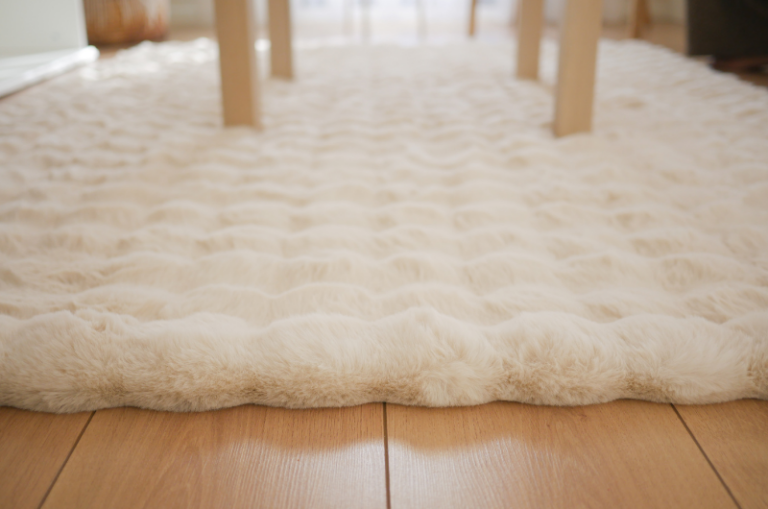
Wool area rugs occupy a unique position in interior spaces. They are functional, decorative, and inherently tactile. Their resilience is often underestimated, while their vulnerabilities are frequently misunderstood. Wool fibres possess remarkable elasticity and natural soil resistance, yet they react poorly to excessive moisture, harsh chemicals, and aggressive agitation. Improper cleaning can lead to felting, dye bleeding, fibre distortion, and irreversible textural damage. Understanding how to clean wool area rugs correctly is not merely a matter of aesthetics. It is essential for longevity, hygiene, and structural preservation. Wool rugs are an investment, often handmade and dyed with complex colour systems that demand informed care. This guide provides a comprehensive, methodical approach to cleaning wool area rugs safely while maintaining their integrity over time.
Our specialists provide reliable cleaning, repairs, and alterations. contact us and book today.
Understanding Wool Fibres and Rug Construction
Wool is a protein-based fibre derived from sheep fleece. Each strand features a scaled outer layer known as the cuticle. These microscopic scales interlock under heat, moisture, and friction, which explains wool’s tendency to felt when mishandled.
Wool rugs may be hand-knotted, hand-tufted, flatwoven, or machine-made. Each construction method influences how the rug responds to cleaning. Hand-knotted rugs are typically the most durable but also the most sensitive to saturation. Hand-tufted rugs often contain adhesive backings that can degrade with excess water. Flatweaves absorb moisture rapidly and require swift drying.
To master how to clean wool area rugs, one must respect both fibre and construction.
Pre-Cleaning Evaluation: An Essential Safeguard
Cleaning should never begin without assessment. Examine the rug under bright, indirect light. Look for worn areas, fringe deterioration, loose knots, or colour migration. Identify stains and determine whether they are organic, oily, or particulate.
Perform a colourfastness test. Dampen a white cloth with cool water and blot an inconspicuous area. If dye transfers, wet cleaning should be minimal and highly controlled. Some antique or vegetable-dyed rugs require professional intervention rather than home cleaning.
This evaluation phase defines safe parameters for how to clean wool area rugs without triggering damage.
Routine Maintenance: The Foundation of Rug Care
Vacuuming Wool Area Rugs Properly
Regular vacuuming is the most effective preventive measure. Use a suction-only vacuum or disable the beater bar. Rotating brushes can pull fibres, loosen knots, and accelerate wear.
Vacuum in the direction of the pile. Work slowly. Avoid fringe, which should be cleaned gently by hand. Frequent light vacuuming is preferable to infrequent deep cleaning.
Routine maintenance significantly reduces the need for intensive cleaning and simplifies how to clean wool area rugs when deeper care becomes necessary.
Spot Cleaning: Immediate and Controlled Action
Spills should be addressed immediately. Time is a critical variable. Wool’s natural absorbency allows liquids to penetrate quickly.
Blot the spill using a clean, absorbent cloth. Do not rub. Rubbing drives contaminants deeper and disrupts the fibre cuticle. For liquid spills, blot until moisture transfer ceases.
Use cool water sparingly. If necessary, apply a small amount of wool-safe detergent diluted heavily. Test first. Always work from the outer edge inward to prevent spreading.
Understanding spot treatment is central to mastering how to clean wool area rugs safely.
Selecting Appropriate Cleaning Agents
Conventional carpet cleaners are unsuitable for wool. Many contain alkaline agents or optical brighteners that degrade protein fibres and distort colour.
Choose detergents specifically formulated for wool or neutral pH cleaners designed for natural fibres. These products cleanse without stripping lanolin, wool’s natural protective lipid.
Avoid oxygen bleaches, chlorine-based products, ammonia, and high-alkaline soaps. Their chemical aggression causes brittleness and fading.
Product selection is a decisive factor in how to clean wool area rugs without fibre compromise.
Our specialists provide reliable cleaning, repairs, and alterations. contact us and book today.
Hand Cleaning Wool Area Rugs at Home
Preparing the Cleaning Area
Select a well-ventilated space with controlled temperature. Avoid direct sunlight. Excess heat accelerates dye migration and fibre contraction.
Shake the rug outdoors to dislodge particulate debris. Lay it flat on a clean surface, ideally over a moisture-resistant barrier.
Cleaning Process
Mix a small amount of wool-safe detergent with cool water. Create light suds, not foam saturation. Apply using a soft sponge or cloth.
Work in sections. Use gentle, linear motions aligned with the pile direction. Excessive agitation encourages felting.
Rinse sparingly with clean water. Over-wetting is the most common error in how to clean wool area rugs at home.
Moisture Management and Drying Techniques
Drying is as critical as cleaning. Improper drying leads to mildew, odour retention, and fibre deformation.
Blot excess moisture with towels. Replace towels as they become saturated. Elevate the rug slightly to encourage air circulation beneath.
Dry flat in a shaded, ventilated environment. Fans may be used, but heat sources should be avoided. Never hang a wet wool rug, as gravity distorts structure.
Effective drying safeguards the success of how to clean wool area rugs without collateral damage.
Deep Cleaning: When and How to Proceed
Deep cleaning should be infrequent, typically once every 12 to 18 months, depending on foot traffic and environment.
Low-moisture methods are preferred. Encapsulation systems and controlled hand washing can be effective if executed correctly. Steam cleaning is generally unsuitable due to heat and moisture levels.
For large, valuable, or antique rugs, professional rug washing remains the safest approach.
Addressing Odours Without Fibre Damage
Odours often result from trapped moisture or organic contaminants. Baking soda is sometimes recommended, but excessive use can abrade fibres and alter pH.
A light, brief application followed by thorough vacuuming may be acceptable. Alternatively, controlled air exposure and gentle vinegar misting—tested first—can neutralise odours without saturation.
Odour control is an often-overlooked component of how to clean wool area rugs comprehensively.
Stain-Specific Treatment Strategies
Different stains demand different responses. Protein-based stains respond to cool water. Oil-based stains require absorbent powders before minimal solvent application.
Never apply hot water. Heat sets stains and tightens wool fibres. Avoid aggressive scrubbing, even when stains appear persistent.
Patience and restraint outperform force in how to clean wool area rugs effectively.
Fringe and Edge Care
Fringes are extensions of the rug’s foundation, not decorative add-ons. They require delicate handling.
Clean fringes separately using diluted wool detergent and gentle blotting. Avoid soaking. Reshape while damp and dry flat.
Protecting fringes preserves structural integrity and visual balance.
Our specialists provide reliable cleaning, repairs, and alterations. contact us and book today.
Preventive Measures to Reduce Cleaning Frequency
Rotate rugs periodically to distribute wear evenly. Use rug pads to reduce friction and slippage. Remove shoes indoors to limit soil introduction.
Sunlight exposure should be moderated to prevent fading. Curtains or UV-filtering films can mitigate damage.
Preventive care simplifies how to clean wool area rugs by minimising accumulated soil.
Seasonal Maintenance Considerations
Seasonal changes affect humidity and fibre behaviour. Wool expands in humid conditions and contracts in dry environments.
Adjust ventilation accordingly. Inspect rugs during seasonal transitions for early signs of stress or pest activity.
Seasonal awareness enhances long-term outcomes in how to clean wool area rugs responsibly.
Common Mistakes That Cause Irreversible Damage
Over-wetting remains the most destructive error. Excess detergent residue attracts soil. Heat application accelerates fibre degradation.
Using inappropriate equipment, such as rotating brushes or steam cleaners, often results in permanent texture loss.
Avoiding these pitfalls is fundamental to understanding how to clean wool area rugs correctly.
When Professional Rug Cleaning Is Essential
Certain circumstances exceed safe home care limits. Antique rugs, heirloom pieces, and rugs with unstable dyes require professional washing.
Professional rug cleaners use immersion washing, controlled drying rooms, and fibre-specific treatments unavailable at home.
Knowing when to defer is part of mastering how to clean wool area rugs intelligently.
Long-Term Preservation and Storage
Clean rugs before storage. Soil particles attract pests and retain moisture.
Roll rugs with the pile inward. Wrap in breathable materials. Avoid plastic. Store in climate-controlled environments.
Periodic inspection during storage prevents unnoticed deterioration.
Environmental and Health Considerations
Wool is naturally hypoallergenic and resistant to dust mites when properly maintained. Gentle cleaning preserves these benefits.
Avoid harsh chemicals that compromise indoor air quality. Wool-safe products align with sustainable care practices.
Responsible cleaning supports both fibre health and living environments.
Our specialists provide reliable cleaning, repairs, and alterations. contact us and book today.
Conclusion
Wool area rugs embody durability refined by delicacy. Their care demands knowledge, moderation, and consistency. Understanding how to clean wool area rugs without damaging the fibres ensures they remain functional and visually compelling for decades.
Through careful assessment, appropriate product selection, controlled moisture use, and mindful drying, wool rugs can be cleaned safely and effectively. The reward is not merely cleanliness, but the preservation of texture, colour, and craftsmanship that defines wool’s enduring appeal.