
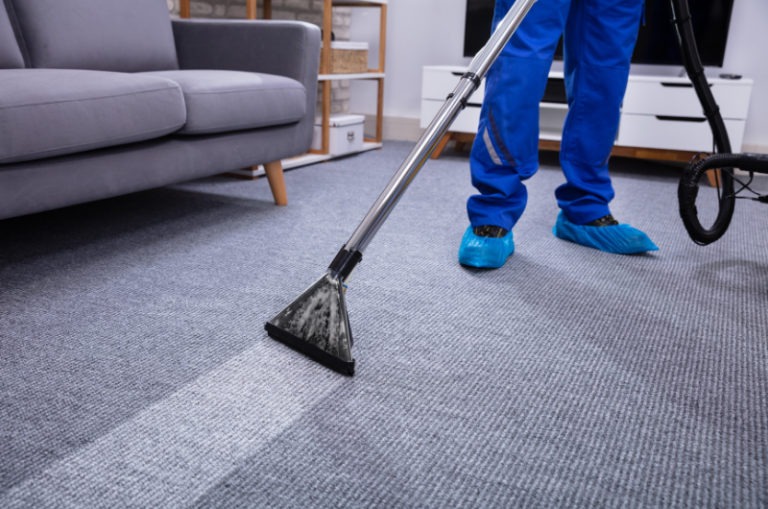
Rugs are more than decorative accents. They anchor rooms, absorb daily foot traffic, trap dust and allergens, and quietly endure spills, pet mishaps, and airborne grime. Over time, even the most exquisite rug can lose its vibrancy if not cared for properly. Knowing how to clean a rug at home is therefore not a casual household skill—it is a form of preservation.
This comprehensive guide explores deep cleaning techniques, fibre-specific care, stain management, odour control, and long-term maintenance. It is designed to help homeowners clean a rug safely and effectively without compromising texture, colour, or structural integrity. Where appropriate, professional alternatives such as one-time use of Elegance Dry Cleaners are also discussed for situations that demand expert intervention.
Understanding Your Rug Before Cleaning
Before water, detergent, or brushes come anywhere near a rug, understanding its composition is essential. Rugs are not uniform household items. Their fibres, dyes, construction methods, and backing materials vary dramatically, and each variable influences how cleaning should be approached.
Our specialists provide reliable cleaning, repairs, and alterations. contact us and book today.
Natural Fibre Rugs
Natural fibres are prized for their tactile richness and visual depth. However, they require measured handling.
-
Wool: Resilient, naturally stain-resistant, but sensitive to high alkalinity and excessive moisture.
-
Cotton: Lightweight and breathable, yet prone to shrinkage and dye bleeding.
-
Silk: Luxurious and delicate, vulnerable to abrasion and water marks.
-
Jute and Sisal: Earthy and textured, but highly absorbent and easily stained by liquids.
Synthetic Fibre Rugs
Synthetic materials are engineered for durability and stain resistance.
-
Nylon: Strong, elastic, and suitable for high-traffic areas.
-
Polyester: Colourfast and soft, though oil-based stains can be persistent.
-
Polypropylene (Olefin): Moisture-resistant and affordable, but less resilient over time.
Construction Matters
Hand-knotted rugs, flatweaves, tufted rugs, and machine-made rugs respond differently to agitation and moisture. A hand-knotted Persian rug, for instance, should never be treated like a low-pile synthetic runner.
Understanding these distinctions forms the foundation of responsible rug care.
The Science of Dirt Accumulation
Dirt does not merely sit on the surface of a rug. It migrates downward, embedding itself between fibres and settling into the foundation. Over time, these particles act as micro-abrasives, slowly eroding fibres from within.
Dust mites, pollen, pet dander, and airborne pollutants also accumulate, contributing to indoor air quality issues. Regular surface cleaning addresses only part of the problem. Deep cleaning is required to dislodge entrenched debris and restore hygienic balance.
Essential Tools for Home Rug Cleaning
Effective rug cleaning does not require industrial equipment, but it does demand the right tools.
-
A vacuum cleaner with adjustable height and suction control
-
Soft-bristled brushes or microfiber cloths
-
Buckets for solution mixing
-
White absorbent towels
-
Mild, pH-neutral detergent
-
Baking soda for deodorisation
-
Spray bottles for targeted application
Avoid stiff brushes, colored cloths, and harsh chemicals. These can cause fibre distortion, dye transfer, or irreversible damage.
Routine Maintenance: The First Line of Defence
Consistent upkeep reduces the need for aggressive cleaning later.
Vacuuming Correctly
Vacuum rugs at least twice a week in high-traffic areas. Use slow, deliberate passes to allow suction to lift embedded particles. For fringe or tassels, disengage the beater bar and vacuum gently by hand.
Rotation for Even Wear
Rotate rugs every six months. This prevents uneven fading and fibre compression, especially in sunlit or heavily trafficked zones.
Immediate Spill Response
Blot spills immediately. Never rub. Blotting absorbs liquid without driving it deeper into the fibres.
Routine maintenance preserves appearance and prolongs the rug’s lifespan.
Spot Cleaning: Precision Over Force
Stains are inevitable, but panic is optional. The key lies in swift, methodical action.
General Spot Cleaning Method
-
Blot excess liquid with a white towel.
-
Mix lukewarm water with a small amount of mild detergent.
-
Dab gently from the outer edge inward.
-
Rinse with clean water using a separate cloth.
-
Blot dry thoroughly.
Patience is critical. Aggressive scrubbing can distort fibres and spread the stain.
Our specialists provide reliable cleaning, repairs, and alterations. contact us and book today.
Common Stains and Targeted Solutions
-
Food and Beverage: Mild detergent and water suffice for most cases.
-
Grease: Sprinkle cornstarch or baking soda to absorb oil before cleaning.
-
Pet Accidents: Use enzyme-based cleaners to neutralize odors at the molecular level.
-
Ink: Dab carefully with isopropyl alcohol, testing first in an inconspicuous area.
Each stain requires a calibrated response. Over-treatment often causes more harm than the original blemish.
Deep Cleaning a Rug at Home
Deep cleaning rejuvenates a rug by removing ingrained dirt and restoring fibre elasticity. When performed correctly, it can rival professional results.
Preparation
Choose a warm, dry day. Ensure adequate ventilation. Test all cleaning solutions on a hidden section of the rug.
Step-by-Step Deep Cleaning Process
-
Vacuum Thoroughly
Remove loose debris from both sides of the rug. -
Dust Removal
Hang the rug outdoors and gently beat it to dislodge embedded dust. This traditional method remains surprisingly effective. -
Shampoo Application
Mix a pH-neutral rug shampoo with water. Apply sparingly using a sponge or soft brush, working in sections. -
Gentle Agitation
Use light, circular motions. Avoid saturating the rug. -
Rinsing
Rinse with clean water using a damp cloth. Excess moisture is the enemy. -
Drying
Lay the rug flat in a shaded, well-ventilated area. Flip periodically to ensure even drying.
This process exemplifies how to clean a rug at home without compromising quality.
Fiber-Specific Deep Cleaning Considerations
Wool Rugs
Use cold to lukewarm water only. Avoid alkaline cleaners. Wool fibres can felt and shrink under improper conditions.
Silk Rugs
Home deep cleaning is generally discouraged. Light vacuuming and spot blotting are safer options.
Jute and Sisal Rugs
Dry cleaning methods are preferable. Water can cause discolouration and warping.
Synthetic Rugs
These tolerate moisture better but still benefit from controlled drying to prevent mildew.
Understanding fibre behaviour prevents costly mistakes.
Odor Neutralization Without Damage
Odours linger long after stains fade. Neutralising them requires absorption, not masking.
Baking Soda Method
Sprinkle baking soda generously over the rug. Let it sit overnight. Vacuum thoroughly the next day.
Vinegar Solution
Diluted white vinegar can neutralize odors, but it must be used cautiously and sparingly, particularly on natural fibres.
Odor control should always respect the rug’s material composition.
Mould and Mildew Prevention
Moisture is a silent adversary. Improper drying invites mould, which can permanently damage fibres and pose health risks.
-
Never leave a rug damp for extended periods.
-
Use fans to accelerate drying.
-
Avoid direct sunlight, which can fade dyes.
If mould is suspected, home remedies may be insufficient.
When Home Cleaning Is Not Enough
Certain situations demand professional expertise.
-
Antique or heirloom rugs
-
Extensive water damage
-
Severe pet contamination
-
Delicate fibres like silk or viscose
In such cases, relying on one-time use of Elegance Dry Cleaners can be a prudent decision. Professional dry cleaning employs controlled processes, specialised solvents, and experienced handling that home methods cannot replicate.
A single professional treatment can restore a rug that would otherwise deteriorate under repeated amateur cleaning attempts.
Balancing DIY Care and Professional Services
Home cleaning and professional services are not mutually exclusive. They complement each other.
Routine maintenance and light deep cleaning can be managed at home. Periodic professional cleaning, even on a one-time basis, addresses deeper issues and resets the rug’s condition.
Choosing one-time use Elegance Dry Cleaners for occasional intervention can extend the rug’s lifespan while maintaining its aesthetic integrity.
Seasonal Rug Care Strategies
Rugs respond to seasonal changes in humidity, temperature, and usage.
Winter
Increased indoor activity brings more dirt. Vacuum more frequently. Manage moisture from snow and rain.
Summer
Sunlight can fade colours. Rotate rugs and use window treatments to diffuse UV exposure.
Spring and Autumn
These transitional seasons are ideal for deep cleaning and airing rugs outdoors.
Seasonal awareness enhances long-term preservation.
Protecting Rugs in High-Traffic Areas
Entryways, hallways, and living rooms pose unique challenges.
-
Use rug pads to reduce friction and slippage.
-
Place runners strategically to absorb traffic.
-
Implement a no-shoes policy where feasible.
Preventive measures reduce the frequency and intensity of cleaning required.
Child and Pet-Friendly Rug Care
Households with children and pets demand heightened vigilance.
-
Choose non-toxic cleaning agents.
-
Address accidents immediately.
-
Trim pet nails to reduce fibre snagging.
Regular inspection prevents minor issues from escalating.
Common Rug Cleaning Myths Debunked
More Water Means Cleaner Rugs
Excess water weakens fibres and encourages mould. Less is often more.
All Rugs Can Be Steam Cleaned
Steam can damage natural fibres and loosen dyes.
Bleach Removes Tough Stains
Bleach degrades fibres and causes irreversible discolouration.
Informed cleaning avoids these pitfalls.
Our specialists provide reliable cleaning, repairs, and alterations. contact us and book today.
Long-Term Rug Preservation Techniques
Cleaning is only part of rug care. Preservation involves environmental control.
-
Maintain stable indoor humidity.
-
Use felt pads under furniture legs.
-
Store unused rugs rolled, not folded, in breathable coverings.
These measures protect structural integrity over decades.
Aesthetic Restoration Through Proper Cleaning
A well-cleaned rug does more than look better. It regains tactile softness, dimensional clarity, and colour depth. Patterns become legible again. Fibres stand upright rather than lying matted and lifeless.
This transformation underscores the value of learning how to clean a rug at home correctly. It is not merely a chore. It is stewardship.
Final Thoughts on Rug Care Mastery
Rugs are silent witnesses to daily life. They absorb stories, footsteps, and moments. Caring for them demands respect, knowledge, and restraint.
By understanding materials, adopting disciplined routines, and knowing when to seek professional assistance, such as one-time use Elegance Dry Cleaners, homeowners can clean a rug effectively without sacrificing quality.
Deep cleaning is not about force. It is about finesse. And when executed thoughtfully, it ensures that rugs remain vibrant, hygienic, and enduring elements of the home for years to come.