
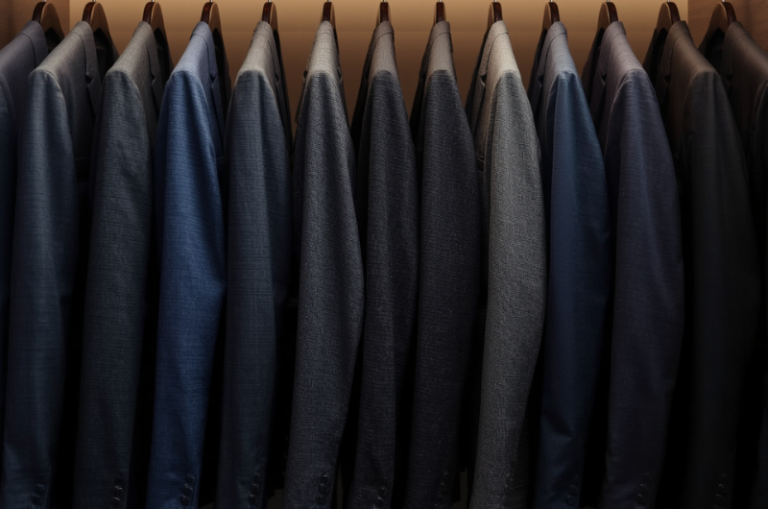
Formal garments occupy a rarefied space in the modern wardrobe. They are not worn casually, nor maintained casually. Suits, jackets, and formal attire demand a deliberate approach one that balances cleanliness with preservation. Excessive cleaning erodes fabric integrity, while neglect invites deterioration. The question, therefore, is not simply about hygiene, but about strategy. At the centre of this discussion lies a critical query: how often to clean suits. The answer is layered, influenced by wear frequency, environmental exposure, and textile composition. What follows is a comprehensive exploration of best practices, structured to ensure both longevity and impeccable presentation.
Our specialists provide reliable cleaning, repairs, and alterations. contact us and book today.
How Often to Clean Suits for Everyday Use
Understanding how often to clean suits begins with analysing daily wear patterns. For professionals who rely on suits as part of their routine attire, over-cleaning is a common misstep.
A suit worn in a typical office environment should be dry cleaned after approximately 3 to 5 wears. This interval allows for the removal of accumulated dust, oils, and odours without subjecting the fabric to excessive chemical exposure.
However, garments should not be judged solely by a numerical threshold. Subtle indicators such as diminished freshness or slight discolouration often signal the need for cleaning more accurately than any rigid schedule.
The principle remains consistent: how often to clean suits should be guided by both usage and observation.
How Often to Clean Suits for Occasional Wear
Occasional wear presents a different dynamic. Suits reserved for weddings, formal dinners, or ceremonial functions often endure prolonged exposure in a single sitting.
In such cases, determining how often to clean suits becomes more straightforward:
- Clean after each use if exposed to smoke, food spills, or perspiration
- If the garment remains relatively pristine, airing may suffice before storage
This nuanced approach ensures that suits remain fresh without unnecessary wear from frequent dry cleaning.
Fabric Matters: A Decisive Factor
Textile composition significantly influences how often to clean suits. Each fabric responds differently to wear and cleaning processes.
Wool Suits
Wool, a staple in tailoring, possesses natural resilience and odour resistance. It can endure multiple wears before requiring professional cleaning.
- Recommended: Every 4–6 wears
- Supplement with brushing and airing
Linen Suits
Linen, though elegant, is more absorbent and prone to creasing.
- Recommended: More frequent cleaning, especially in warm climates
- Gentle handling is essential
Synthetic Blends
Blended fabrics often retain odours more readily but tolerate cleaning better.
- Recommended: Every 3–4 wears
Thus, how often to clean suits must always take into account the underlying material.
Our specialists provide reliable cleaning, repairs, and alterations. contact us and book today.
How Often to Clean Suits vs. Over-Cleaning Risks
A pervasive misconception equates frequent cleaning with superior care. In reality, excessive dry cleaning can be detrimental.
Chemical solvents, while effective at removing contaminants, gradually weaken fibres. Over time, this leads to:
- Fabric thinning
- Colour fading
- Loss of structural integrity
Therefore, understanding how often to clean suits also means recognising when not to clean them.
Moderation is not merely advisable—it is essential.
How Often to Clean Suits Components Separately
A suit is not a monolithic garment. Each component experiences different levels of wear.
Jackets
Jackets encounter less direct contact with skin and can be cleaned less frequently.
- Every 5–7 wears
Trousers
Trousers absorb more perspiration and friction.
- Every 3–5 wears
Waistcoats
Typically worn under jackets, waistcoats require minimal cleaning.
- Occasionally, depending on use
Breaking down how often to clean suits into individual components prevents uneven wear and extends garment lifespan.
Our specialists provide reliable cleaning, repairs, and alterations. contact us and book today.
Recognising the Signs
Even the most carefully planned schedule must yield to visual and sensory cues. Indicators that a suit requires cleaning include:
- Persistent odours
- Visible stains
- Loss of crisp structure
- Fabric sheen in high-contact areas
These signs often provide more reliable guidance than any predefined rule regarding how often to clean suits.
How Often to Clean Suits in Different Climates
Environmental conditions exert a considerable influence on garment care.
Warm Climates
Heat increases perspiration, accelerating the accumulation of salts and oils.
- More frequent cleaning required
Cooler Climates
Reduced perspiration but increased exposure to external debris.
- Moderate cleaning frequency
Climate awareness refines the decision of how often to clean suits, ensuring context-sensitive care.
Extending Time Between Cleanings
Reducing cleaning frequency without compromising freshness is both an art and a science.
Brushing
A garment brush removes microscopic debris before it embeds into fibres.
Airing
Allow suits to breathe after each wear. Avoid immediate storage in confined spaces.
Proper Storage
Use structured wooden hangers to maintain form and prevent distortion.
Spot Cleaning
Address minor stains immediately to avoid full dry cleaning cycles.
These practices significantly influence how often to clean suits, often reducing the need for professional intervention.
How Often to Clean Suits for Travel and Heavy Use
Travel introduces unique challenges—limited ventilation, prolonged wear, and exposure to varied environments.
After extended trips:
- Clean suits to remove accumulated contaminants
- Use steam to restore structure before opting for dry cleaning
Here again, how often to clean suits is dictated by context rather than routine.
Professional Cleaning: When It Becomes Essential
While at-home maintenance is invaluable, certain conditions necessitate professional care:
- Deep-set stains
- Persistent odours
- Noticeable fabric fatigue
Expert cleaners employ specialised techniques that preserve garment integrity. However, reliance on these services should remain judicious.
The balance between home care and professional cleaning ultimately defines how often to clean suits.
How Often to Clean Suits and Seasonal Storage
Seasonal transitions offer an opportunity for thorough maintenance.
Before storing suits for extended periods:
- Clean to remove invisible contaminants
- Store in breathable garment bags
- Ensure a dry, well-ventilated environment
This practice not only preserves fabric but also simplifies future use. Seasonal awareness further refines how often to clean suits.
Common Mistakes to Avoid
Even meticulous individuals can undermine their efforts through avoidable errors:
- Cleaning too frequently
- Using improper hangers
- Ignoring minor stains
- Storing suits in damp or cramped conditions
Avoiding these pitfalls is integral to mastering how often to clean suits.
How Often to Clean Suits: Expert Perspective
Industry professionals converge on a set of practical guidelines:
- Regular wear: Every 3–5 uses
- Occasional wear: After each event if necessary
- Minimal wear: Once per season
These benchmarks offer clarity while allowing for situational flexibility. Ultimately, how often to clean suits remains a matter of informed judgement.
Beyond Suits: Formal Wear Considerations
Formal wardrobes extend beyond standard suits.
Tuxedos
Typically worn infrequently, tuxedos should be cleaned after each use if exposed to contaminants.
Dress Shirts
Require frequent laundering due to direct skin contact.
Accessories
Ties and pocket squares demand occasional cleaning depending on material and usage.
Each element contributes to the broader understanding of how often to clean suits and formal attire as a whole.
Our specialists provide reliable cleaning, repairs, and alterations. contact us and book today.
Conclusion
The question of how often to clean suits is not governed by a single rule. It is shaped by fabric, frequency, environment, and care habits. A thoughtful approach—one that integrates observation with best practices ensures that suits remain both elegant and enduring.
Clean sparingly, maintain diligently, and store properly. In doing so, formal wear retains its structure, its sophistication, and its value over time.