
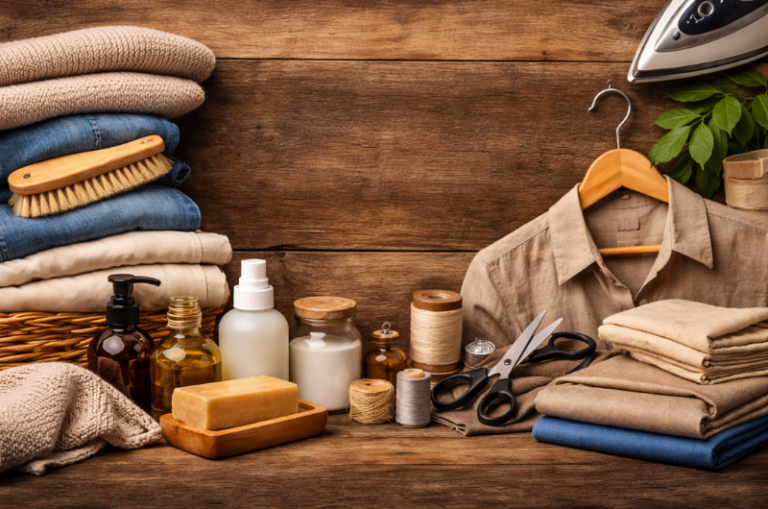
In a world dominated by fast fashion and disposable garments, the true value of clothing is often overlooked. Yet, with deliberate care and strategic practices, it is entirely possible to extend life of clothes far beyond their expected lifespan. Proper maintenance not only saves money but also reduces environmental impact, allowing you to cultivate a sustainable wardrobe. From fabric selection to washing, storage, and repair, understanding the nuances of garment care is essential. This guide provides comprehensive techniques to ensure your clothes remain vibrant, functional, and stylish for years to come.
Our specialists provide reliable cleaning, repairs, and alterations. contact us and book today.
Know Your Fabrics to Extend Life of Clothes
The journey to prolonging garment life begins with understanding fabrics. Each material has unique properties and requirements. Natural fibers like cotton, wool, and silk demand gentler handling, whereas synthetic fabrics such as polyester, nylon, and acrylic can withstand more vigorous maintenance routines. Recognizing fabric characteristics allows you to select the optimal cleaning, storage, and repair methods.
Cotton, for instance, is breathable and comfortable but prone to shrinkage and fading if washed improperly. Wool possesses exceptional insulation but can felt or pill without careful attention. Silk offers luxury and sheen but is highly sensitive to heat and detergent chemicals. Meanwhile, synthetics like polyester resist wrinkles and shrinking, yet prolonged exposure to high temperatures or harsh detergents can degrade their fibers. By tailoring your care approach to the fabric type, you effectively extend life of clothes and prevent premature wear.
Washing Techniques to Extend Life of Clothes
Washing is perhaps the most critical factor in clothing longevity. Frequent laundering, high heat, and strong detergents can weaken fibers and accelerate deterioration. Adopting conscious washing habits is essential.
Sort and Separate Carefully
Sorting garments by color, fabric, and weight prevents color bleeding and friction damage. Dark hues washed with whites can transfer dyes, causing fading and discoloration. Heavy fabrics, such as denim or towels, can abrade delicate items like silk or lace, resulting in thinning or pilling.
Optimize Water Temperature
Hot water is often recommended for sanitizing, but high temperatures can shrink, warp, or fade fabrics. Cool or lukewarm water preserves fiber integrity while still effectively removing dirt. Cold-water detergents are increasingly formulated for stain removal without the need for heat, allowing you to extend life of clothes significantly.
Choose the Right Detergent
Harsh detergents with strong chemical formulations can strip natural oils and weaken synthetic fibers. Opt for mild, enzyme-based detergents for delicate fabrics, and consider eco-friendly alternatives that maintain strength while minimizing chemical exposure. Overuse of detergent can leave residues that attract dirt, leading to more frequent washing cycles—a vicious cycle that shortens garment lifespan.
Our specialists provide reliable cleaning, repairs, and alterations. contact us and book today.
Gentle Washing Methods
Handwashing remains the gold standard for delicate materials. For machine washing, select a gentle cycle and use mesh laundry bags for small or fragile items. Avoid overloading the washer, as this causes friction and stretching, leading to fiber fatigue. Proper washing techniques are crucial to extend life of clothes without compromising cleanliness or appearance.
Drying Methods to Extend Life of Clothes
Drying might seem trivial, but improper methods can cause irreversible damage. High heat from dryers can shrink, distort, or weaken fibers.
Air Dry Whenever Possible
Air drying, preferably in a shaded and ventilated space, preserves fabric structure and prevents shrinkage. Direct sunlight can fade colors over time, so indoor drying or shaded outdoor areas is preferable.
Use Low Heat When Necessary
If machine drying is unavoidable, select a low-heat or air-dry setting. Removing garments promptly prevents excessive wrinkling and reduces the need for high-heat ironing.
Avoid Hanging Heavy Fabrics
Hanging heavy fabrics like sweaters can stretch their shoulders and distort shape. Instead, lay them flat on a clean towel to maintain structure. Thoughtful drying techniques are instrumental in extend life of clothes and maintaining their original silhouette.
Storage Solutions to Extend Life of Clothes
How garments are stored is as important as how they are washed. Proper storage prevents stretching, fading, and pest damage.
Fold, Don’t Hang Delicate Items
While coats, jackets, and dresses benefit from hanging, delicate fabrics like knits, silk blouses, and lightweight cottons should be folded. Using acid-free tissue paper prevents creases and maintains the garment’s shape.
Choose Appropriate Hangers
For items that must hang, invest in sturdy, padded hangers to support the shoulders. Wire hangers may distort shape over time, while plastic or wood options offer better support and durability.
Control Environment
Clothing is susceptible to humidity and pests. Avoid damp closets, and consider moisture absorbers to prevent mold. Cedar blocks repel moths while imparting a subtle, pleasant scent. Proper storage not only preserves appearance but also extend life of clothes by mitigating unseen damage.
Our specialists provide reliable cleaning, repairs, and alterations. contact us and book today.
Maintenance and Repairs to Extend Life of Clothes
Neglecting small issues can lead to costly replacements. Regular maintenance keeps garments functional and visually appealing.
Address Minor Damages Promptly
Loose buttons, tiny tears, or minor seam splits can escalate into major issues. Repairing these early prevents further damage and ensures garments remain wearable for longer.
Use Reinforcement Techniques
For high-stress areas such as elbows, knees, or cuffs, reinforcement with invisible stitching or iron-on patches prolongs life. These subtle interventions maintain aesthetics while enhancing durability.
Rotate and Rest Garments
Frequent wear wears down fabrics unevenly. Rotating items and allowing them to rest between wears reduces strain on fibers, helping to extend life of clothes over time.
Professional Care When Needed
For garments like tailored suits, wool coats, or delicate silks, professional cleaning and repairs are advisable. Expert handling prevents mistakes that could shorten garment lifespan.
Smart Fashion Practices to Extend Life of Clothes
Beyond washing and storage, adopting intentional fashion habits has a profound impact on garment longevity.
Invest in Quality Pieces
High-quality fabrics, precise stitching, and durable finishes offer a natural advantage in longevity. While initial investment may be higher, superior garments often outlast cheaper alternatives, providing better long-term value.
Avoid Overloading Your Wardrobe
Excessive clothing accumulation leads to frequent wear of select pieces, accelerating deterioration. A curated wardrobe allows for mindful rotation, reducing overall wear and helping extend life of clothes.
Minimalist Wardrobe Philosophy
Prioritizing versatility over quantity ensures garments are worn less aggressively and maintained more carefully. Combining timeless classics with occasional trends maintains style while safeguarding your wardrobe.
Protective Measures for Long-Lasting Apparel
Certain everyday behaviors significantly impact fabric integrity. Incorporating protective measures can remarkably prolong garment life.
Reduce Friction
Frequent rubbing against belts, bags, or rough surfaces causes abrasion, thinning, and pilling. Awareness of friction points allows strategic wardrobe choices and careful handling.
Avoid Overexposure to Chemicals
Perfumes, deodorants, and household cleaners may react with fabric dyes or fibers. Apply such products before dressing and allow them to dry to prevent staining or chemical degradation.
Rotate Footwear with Garments
Shoes and boots can transfer dirt, water, or chemicals to pants or skirts. Rotating footwear reduces repetitive exposure, helping to extend life of clothes especially in delicate fabrics like wool or suede.
Eco-Friendly Approaches to Prolong Garment Lifespan
Sustainable practices align both with durability and environmental responsibility.
Opt for Natural Cleaning Products
Vinegar, baking soda, and castile soap are gentle alternatives that maintain fiber integrity. Reducing reliance on aggressive chemicals not only preserves your clothing but also minimizes environmental impact.
Reuse and Repurpose Old Garments
Transform worn garments into new items—such as rags, pillow covers, or patchwork pieces—before discarding. This approach honors the garment’s lifespan and encourages creative sustainability.
Donate or Swap
Instead of discarding usable items, donation or clothing swaps keep garments in circulation, maximizing their lifespan while supporting community initiatives. Adopting these strategies helps you extend life of clothes beyond personal use.
Advanced Tips to Extend Life of Clothes
For those seeking meticulous care, advanced techniques ensure exceptional longevity.
Cold Water Soaks for Delicates
Soaking delicate fabrics in cold water with mild detergent can remove stains without abrasion. This gentle approach preserves fiber alignment and color vibrancy.
Steam Instead of Iron
Excessive heat from ironing can weaken fabrics. Using steam to remove wrinkles maintains structure without stress on fibers.
Rotate Seasonal Garments
Changing wardrobes seasonally reduces continuous exposure and wear. Properly stored seasonal clothing maintains quality, allowing you to extend life of clothes year after year.
Avoid Overwashing
Overwashing accelerates fiber fatigue. Spot cleaning, airing out, and using protective layers reduce washing frequency while maintaining hygiene.
Our specialists provide reliable cleaning, repairs, and alterations. contact us and book today.
The Psychological Benefit of Prolonging Garment Life
Beyond tangible benefits, maintaining clothing cultivates a mindful relationship with possessions. Awareness of care fosters appreciation, discourages impulsive buying, and encourages intentional consumption.
Financial Savings
Reduced replacement frequency translates directly into cost savings. Investing in quality care strategies yields exponential value over time.
Environmental Responsibility
Fewer garments discarded means less landfill waste, reduced resource extraction, and lower carbon emissions. Sustainable wardrobe management promotes eco-conscious living.
Enhanced Personal Style
Well-maintained garments maintain color, texture, and fit, allowing your style to remain polished and consistent. Longevity ensures clothing reflects confidence and attention to detail.
Conclusion: A Lifelong Approach to Clothing Longevity
Clothing is more than functional apparel; it is an extension of personal identity and a reflection of lifestyle choices. By understanding fabrics, adopting precise washing and drying techniques, implementing strategic storage, performing timely maintenance, and embracing sustainable practices, anyone can extend life of clothes to unprecedented lengths.
Mindful wardrobe management fosters financial prudence, environmental responsibility, and personal style consistency. Whether for luxury items, everyday wear, or delicate fabrics, longevity strategies transform garments from ephemeral commodities into enduring investments. The combined impact of careful handling, intentional use, and proactive maintenance ensures that your wardrobe remains resilient, vibrant, and enduring, effectively doubling the lifespan of your cherished clothing.